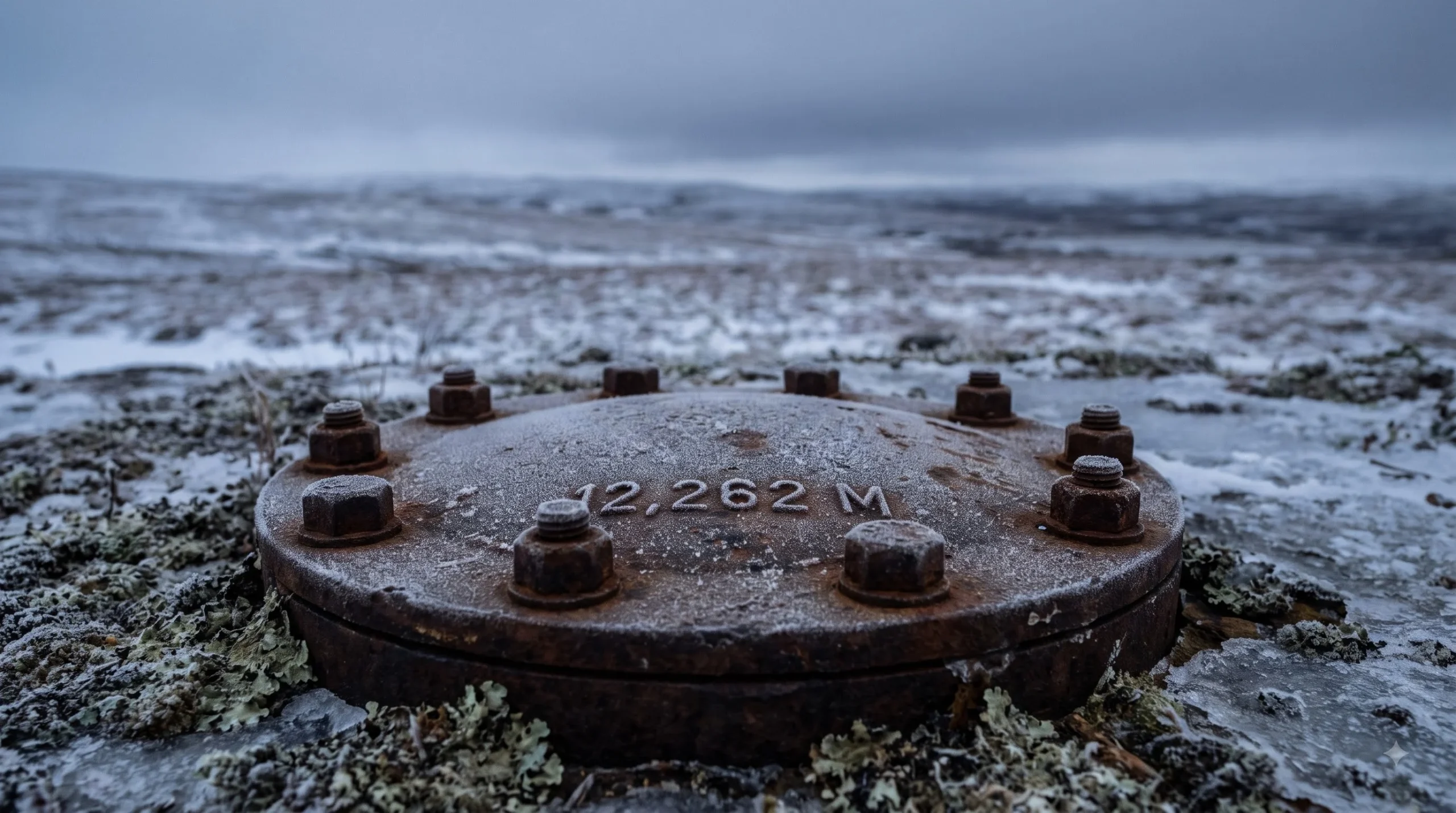
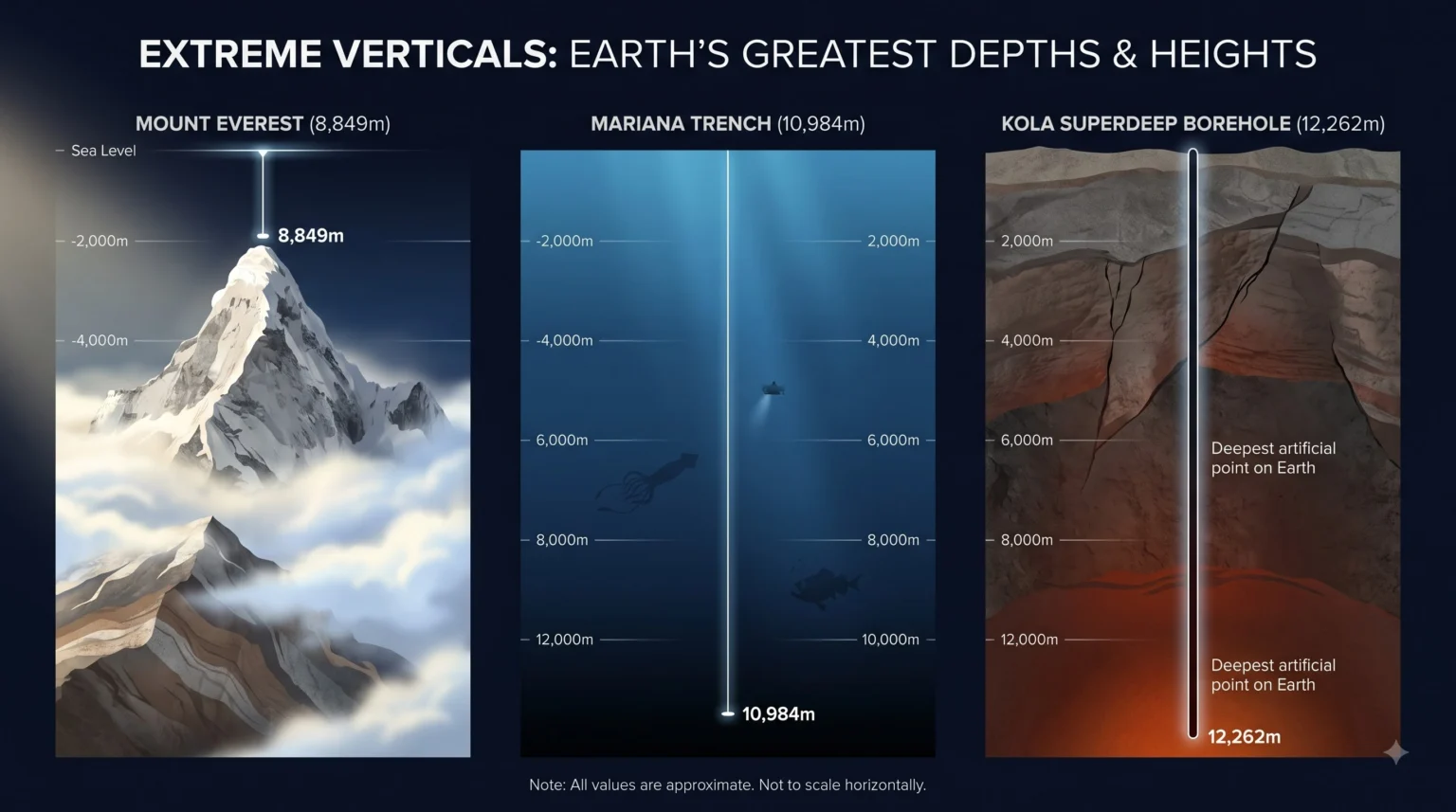
You stand on frozen tundra in the far north of Russia, wind cutting sideways off the Barents Sea, and beneath your boots sits the Kola Superdeep Borehole – the deepest hole humans have ever punched into our planet. Twelve kilometres down. Straight down. A needle-thin scar in the crust that outreaches Everest turned upside down and buries the Mariana Trench in shadow.
There is nothing to see. That is the strange part. No crater, no yawning shaft, no glowing pit of legend. Just a rusted metal cap, welded shut, bolted over a hole barely wider than a dinner plate. Somewhere under your feet, that hole keeps falling for eight miles.
The Kola Superdeep Borehole: A Hole That Swallows Everest
Look down at the cap and try to feel the scale of it. You can’t. Human senses were not built for twelve thousand metres. Instead, your mind reaches for comparisons – stack the Burj Khalifa fourteen times, drop it into the earth, and you still haven’t touched bottom.
The Deepest Point Humans Ever Drilled
At its final depth, the borehole reached 12,262 metres, a true vertical descent achieved by the SG-3 branch back in 1989. Deeper than the ocean’s darkest trench. Deeper than any mine, any tunnel, any structure carved by human hands before or since.
And yet the hole itself measures barely 23 centimetres across at its widest working section. A hole you could drop a basketball down, if you had eight miles of patience and nerve. This is not a cavern. It is a wound, thin as a wire, driven straight into the bones of the continent.
Here’s the part that unsettles people most: this hole never reached the mantle. It never reached the centre of the earth. It clawed through barely a third of the Baltic crust – 35 kilometres thick beneath your feet and still, that third nearly broke every tool the Soviets threw at it.
The Ghost Story Beneath the Science: The “Well to Hell” Myth
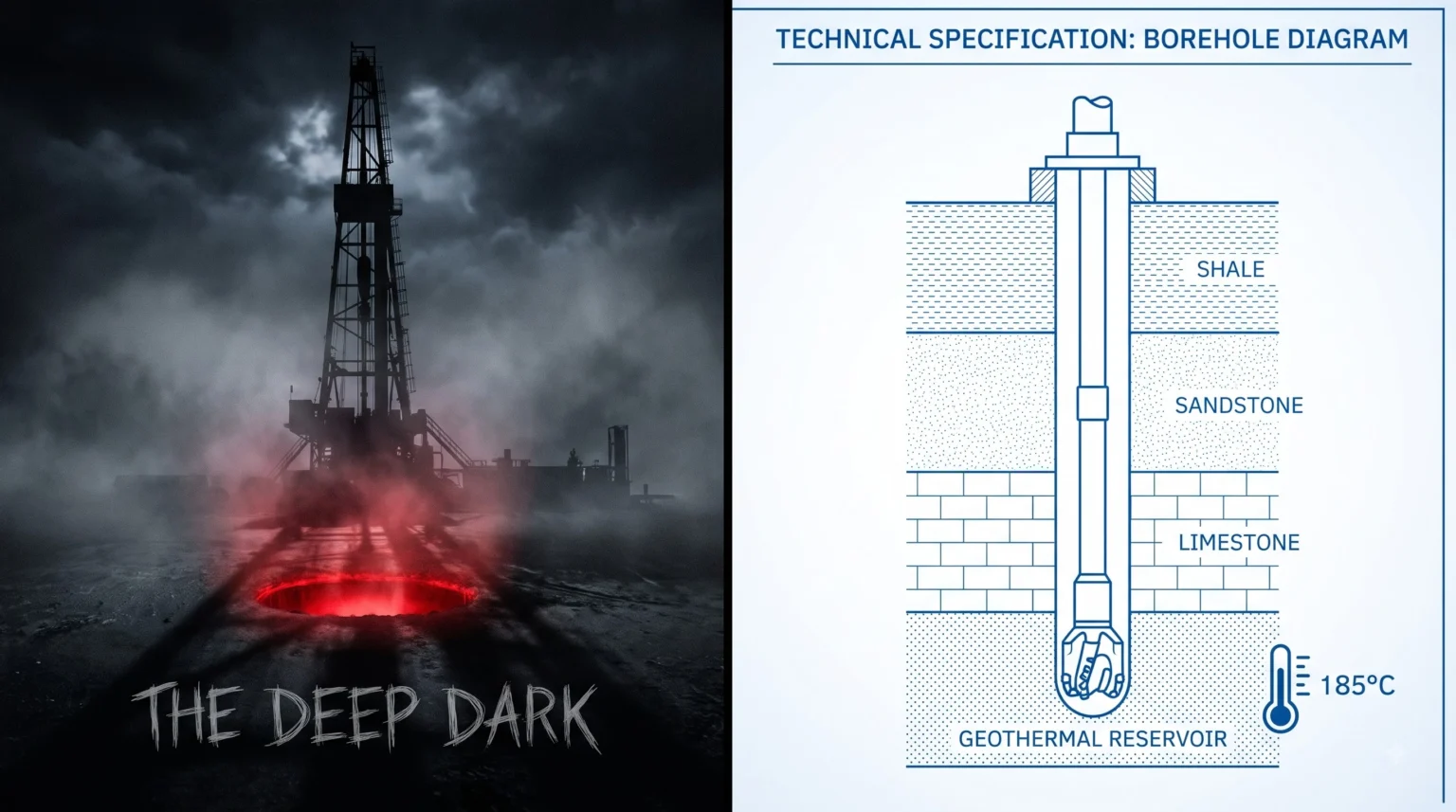
Somewhere along the way, this place picked up a legend. The “Well to Hell.” Screams from the underworld, recorded on tape, drilling straight into damnation. It spread through chain emails and late-night radio like wildfire.
None of it happened. Not the screams, not the demons, not the tape. Step past the myth and the real story waiting underneath is stranger, and somehow more disturbing, than the fiction ever was.
10 Unknown & Mysterious Facts About the Kola Superdeep Borehole
- Water at Extreme Depths — Scientists found water trapped in fractures several kilometres underground, where liquid water was not expected.
- 2.7-Billion-Year-Old Rocks — The drill brought up rocks formed roughly 2.7 billion years ago, from an almost unrecognizable ancient Earth.
- Fossils 6 km Below — Microscopic fossil remains were discovered around 6 kilometres deep, preserved inside ancient rock.
- 180°C at the Bottom — Instead of the expected cooler temperatures, the deepest sections reached roughly 180°C, turning drilling into a brutal engineering battle.
- The Missing Basalt Layer — Scientists expected to hit basalt beneath granite. They didn’t. The discovery challenged established ideas about Earth’s continental crust.
- 12 km Through a 23-cm Hole — The borehole reached 12,262 metres, yet its diameter was only about 23 centimetres.
- Rock Started Behaving Strangely — Extreme heat caused deep rock to become more plastic and deformable, making the borehole increasingly unstable.
- Gold Hidden Underground — Researchers later identified gold nanoparticles in fluid inclusions within deep Kola rock samples.
- A 4,000-Metre Geological Archive — More than 4 kilometres of core samples were recovered, giving scientists a rare physical record of Earth’s deep crust.
- Still Nowhere Near the Mantle — At 12.262 km, Kola penetrated only about a third of the continental crust. The mantle remained far below.
The Strange Truth
The Kola Superdeep Borehole never found Hell, demons, or a tunnel to Earth’s core.
It found something far more interesting: a deep Earth that behaved nothing like scientists expected.
The Cold War Ambition Behind the Kola Superdeep Borehole
Step back in time to 24 May 1970. The Space Race dominates headlines above ground, but here, on the Kola Peninsula, a different race quietly begins – this one pointed the opposite direction, straight into the earth.
You are standing in Pechengsky District, Murmansk Oblast, roughly ten kilometres from the nickel-mining town of Zapolyarny. The coordinates read 69°23′46″N, 30°36′31″E – deep inside the Arctic Circle, where winter arrives early and leaves reluctantly, and where the ground itself is ancient beyond easy comprehension.
The Race to Reach the Moho
Soviet scientists chose this exact patch of tundra for a reason. Beneath it lies the Baltic Shield, a slab of Precambrian crust; so old and so exposed that researchers could reach truly ancient rock without first drilling through kilometres of younger sediment. Nowhere else offered such a clean shot at the deep continental past.
The ambition was almost audacious in its simplicity; reach the Mohorovičić discontinuity– The Moho. That invisible seismic boundary where crust is thought to give way to mantle, mapped for decades by echoes and inference but never once touched by a human tool.
Building a City to Chase the Deep Earth Boundary
This was never going to be a simple oil rig punched into open ground. Around the borehole grew something closer to a small research city – laboratories, core-processing halls, workshops, staff quarters, all built to withstand Arctic winters and outlast Soviet five-year plans.
The Uralmash Drilling Rigs AT THE KOLA SUPERDEEP BOREHOLE
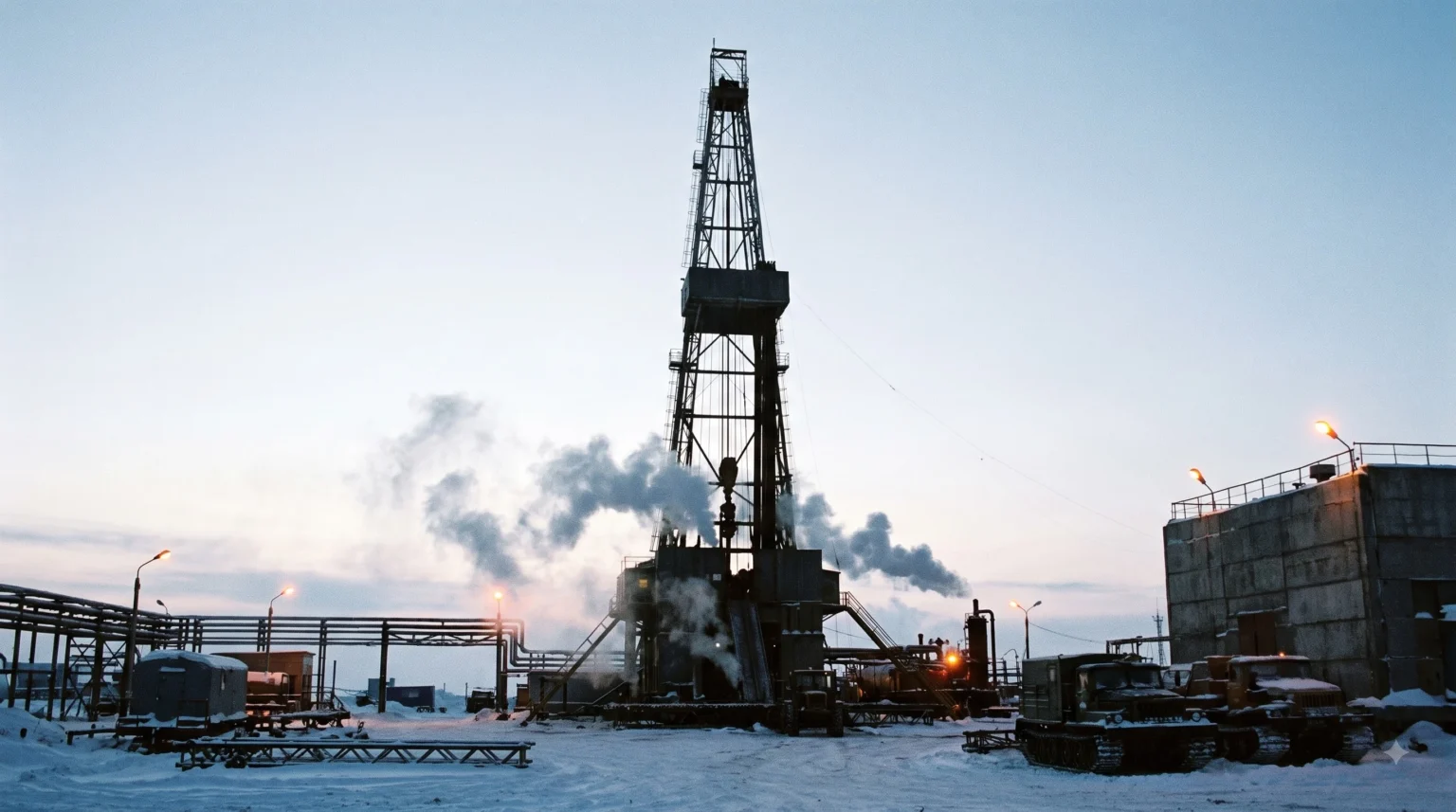
Picture the Uralmash-4E rig rising against a grey sky, later replaced by the heavier Uralmash-15000 series as depths climbed and demands grew brutal. Every pipe, every drilling fluid, every instrument had to be custom-built. Nothing off the shelf could survive where this project was headed.
Unlike a petroleum well chasing profit, this project chased knowledge alone. No oil waited at the bottom, no gas, no ore worth mining. Only data – seismic, thermal, chemical, structural – pulled up one metre of ancient rock core at a time, patiently, for two decades.
Two Decades of Scientific Discovery
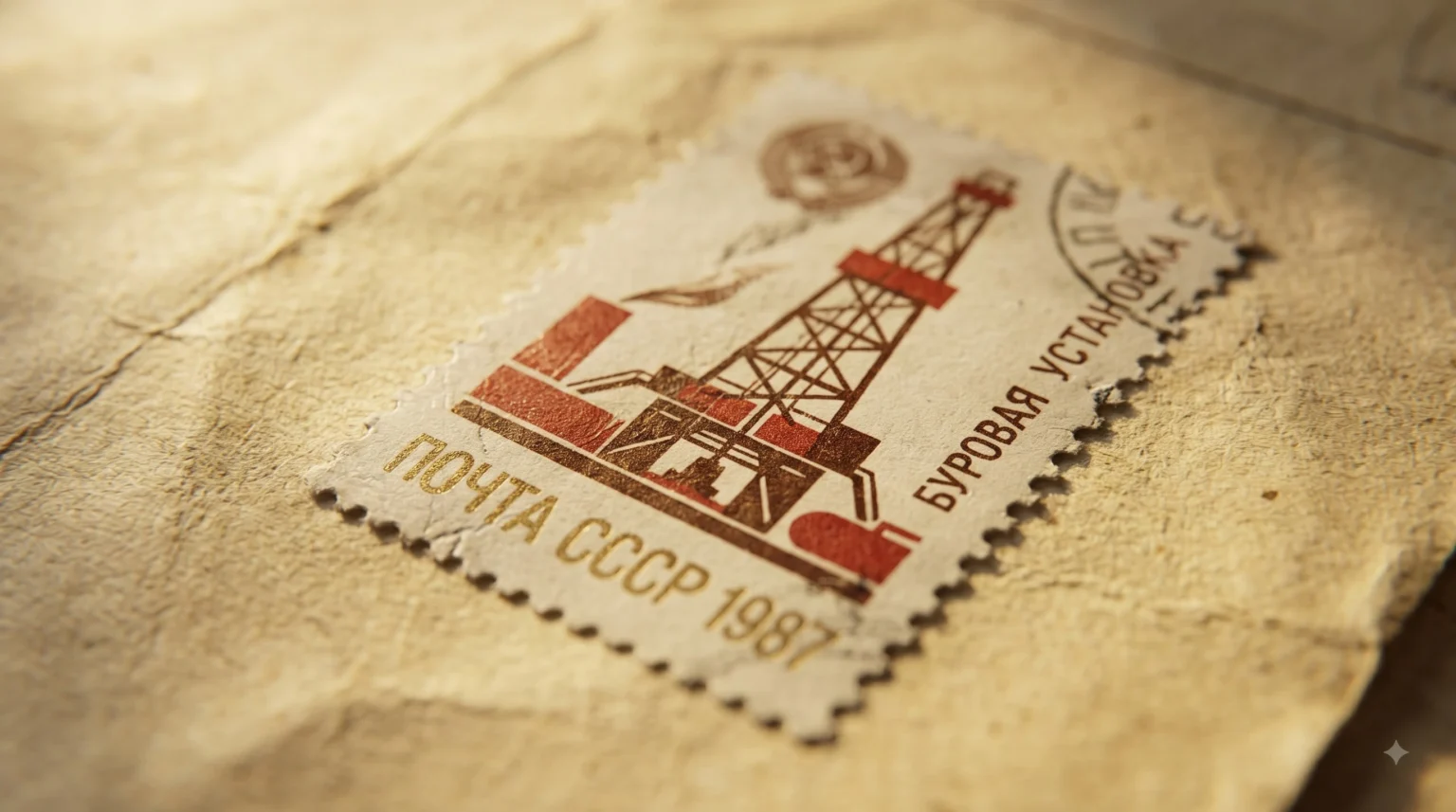
By 1987, the project had grown famous enough at home to earn its own commemorative postage stamp. A hole in the ground, celebrated like a cosmonaut’s launch. That tells you everything about what this borehole meant to a nation still convinced it could out-drill, out-build, and out-last anyone.
When Rock Stopped Behaving Like Rock Inside the Kola Superdeep Borehole
As you walk closer to where the rig once stood, imagine the noise. Diesel engines. Pumps thudding in steady rhythm. Pipe strings, kilometres long, groaning as they’re hauled up and threaded back down. This was industrial choreography performed on a scale almost nobody could picture.
12,262 Metres: The Final Record
By 1989, drillers had pushed the SG-3 branch to its final depth of 12,262 metres, and the hole no longer ran perfectly straight. It curved, wandered, deviated from true vertical the deeper it fell – a detail that matters, because engineers had to constantly distinguish how far down the hole truly reached from how far the drill string had travelled along its crooked path.
The drill string itself became a machine. Kilometres of steel pipe, twisting under torque, expanding under heat, threatening to buckle under its own impossible weight. Every rotation at the surface had to travel down that entire column before it ever touched rock at the bottom.
The Wall That Wouldn’t Stay Solid: The 180°C Problem
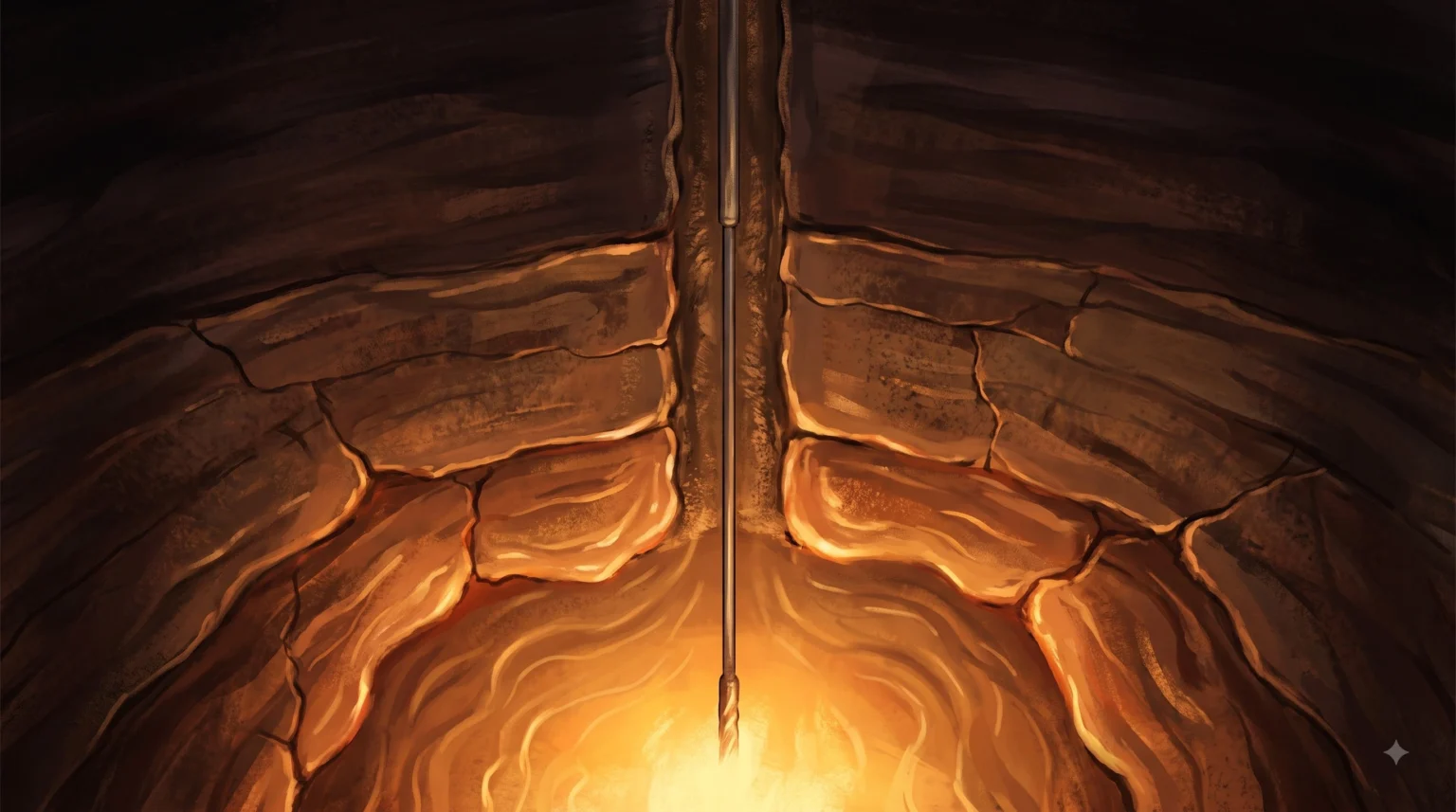
Then came the number that broke every prediction. At full depth, temperatures reached 180°C – nearly double the 100°C the Soviet scientists had modelled going in. Hot enough to melt seals, fry electronics, and curdle drilling fluid meant to keep the whole operation alive.
Feel what that means for stone. At that heat, rock stops acting like rock. It softens. It creeps. The borehole walls began to deform inward, slow and plastic, closing around the drill string like something almost alive, almost hungry, undoing progress that had taken years to achieve.
Water, Fractures and Unexpected Geology
Beneath the surface, geologists expected a tidy handoff – granite giving way cleanly to basalt somewhere around three to six kilometres down. Instead, they found fractures. Water where there should have been none. Hydrogen-rich fluids seeping through crystalline rock nobody believed could hold moisture at such crushing depth.
Out of nearly 4,024 linear metres of recovered core, scientists pulled rock more than 2.5 billion years old – and inside some of it, the faint fossilized traces of ancient marine microorganisms, sealed in stone since long before anything resembling an animal walked the earth. Nothing alive down there. Only its ghost, pressed into rock since before there was sky to breathe under.
The Turning Point: When the Deep Earth Said No
Twelve thousand two hundred and sixty-two metres. That was 1989, and it should have been the beginning of something bigger. Soviet engineers weren’t finished; they were only pausing to catch their breath.
Drilling limped on into the early nineties, chasing depths the models still promised were reachable. By 1992, the chase was effectively over, though almost nobody called it that at the time.
The number that broke it was simple: 180 degrees Celsius. Heat nobody’s calculations had prepared for, waiting patiently at the bottom of eight miles of rock.
A Machine Built for a World That Wasn’t There
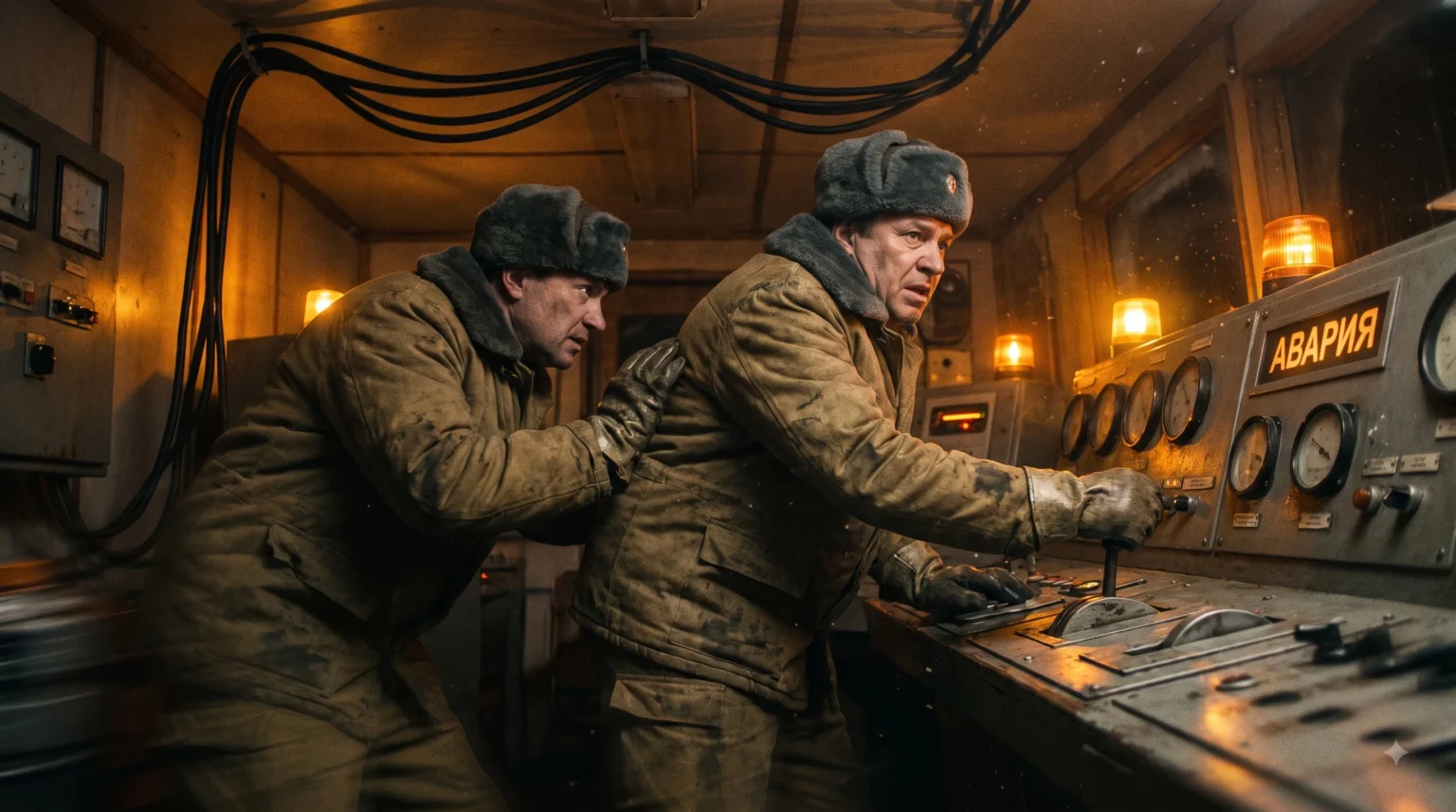
Picture what heat like that does to a drilling operation built on decades-old assumptions. Drill bits wore out faster than replacements could reach them. Instruments sent up readings nobody could fully trust anymore.
Seals failed. Electronics cooked. Drilling fluid, engineered to behave predictably at cooler depths, started acting like something else entirely once it crossed into that furnace zone.
Why the Kola Superdeep Borehole Was Abandoned
Worse than any single failure was what the heat did to the rock itself. Stone that should have fractured cleanly instead flowed, slow and stubborn, closing in around the drill string like a fist tightening in the dark. Stuck pipe stopped being a risk and became an expectation.
Beneath the surface, the geology refused to cooperate on every front at once. The crust down there wasn’t the tidy layered cake of any textbook diagram; it was riddled with fractures, soaked with fluid nobody expected to find at that pressure, resisting every clean model the Soviet program had built its ambitions on.
Pushing further would have meant new equipment, entirely reengineered systems, and costs climbing faster than any budget could follow. That kind of investment needed a very particular kind of backer.
The Soviet Union Collapses
Here is where geology stops being the whole story. In 1991, the Soviet Union came apart, and with it went the singular political will that had kept this project alive for two decades against all economic logic.
State funding didn’t taper gently. It simply stopped. Research institutions lost their support structures overnight, and specialists who had spent careers mastering this one strange borehole found themselves with nowhere to apply that knowledge.
When Funding Disappeared
Feel the quiet of it. No explosion, no headline collapse, just budgets going to zero and a skeleton crew trying to keep something enormous from falling apart with no resources left to do it.
Limited scientific work continued for a few more years on fumes and momentum, with some accounts marking 1994 as the point even that finally stopped. By the mid-1990s, the project existed mostly on paper and in memory.
The Final Closure of kola superdeep borehole: What Actually Ended the Project
The final formal end came later still. In 2008, the operating company was liquidated outright, unprofitable and unsalvageable, and whatever machinery hadn’t already vanished was stripped for scrap. Sources disagree on exactly when the wellhead itself was sealed, some pointing to 2005, others to 2008 – but the outcome reads the same either way: a rusted cap, welded down, over a hole nobody was coming back to finish.
Understand what didn’t happen here, because the myths around this place love to lie about it. Nothing exploded underground. No supernatural event ended the drilling. The hole never came close to Earth’s center; twelve kilometres is a scratch against a radius of more than six thousand. What actually ended it was heat, uncooperative rock, mounting technical limits, and a funding system that dissolved into history at the worst possible moment.
Visiting the Kola Superdeep Borehole Today
So, you want to stand where the drill once stood. Understand first what you’ll find, because it isn’t the dramatic ruin your imagination has built. It is quieter than that, and somehow heavier for it.
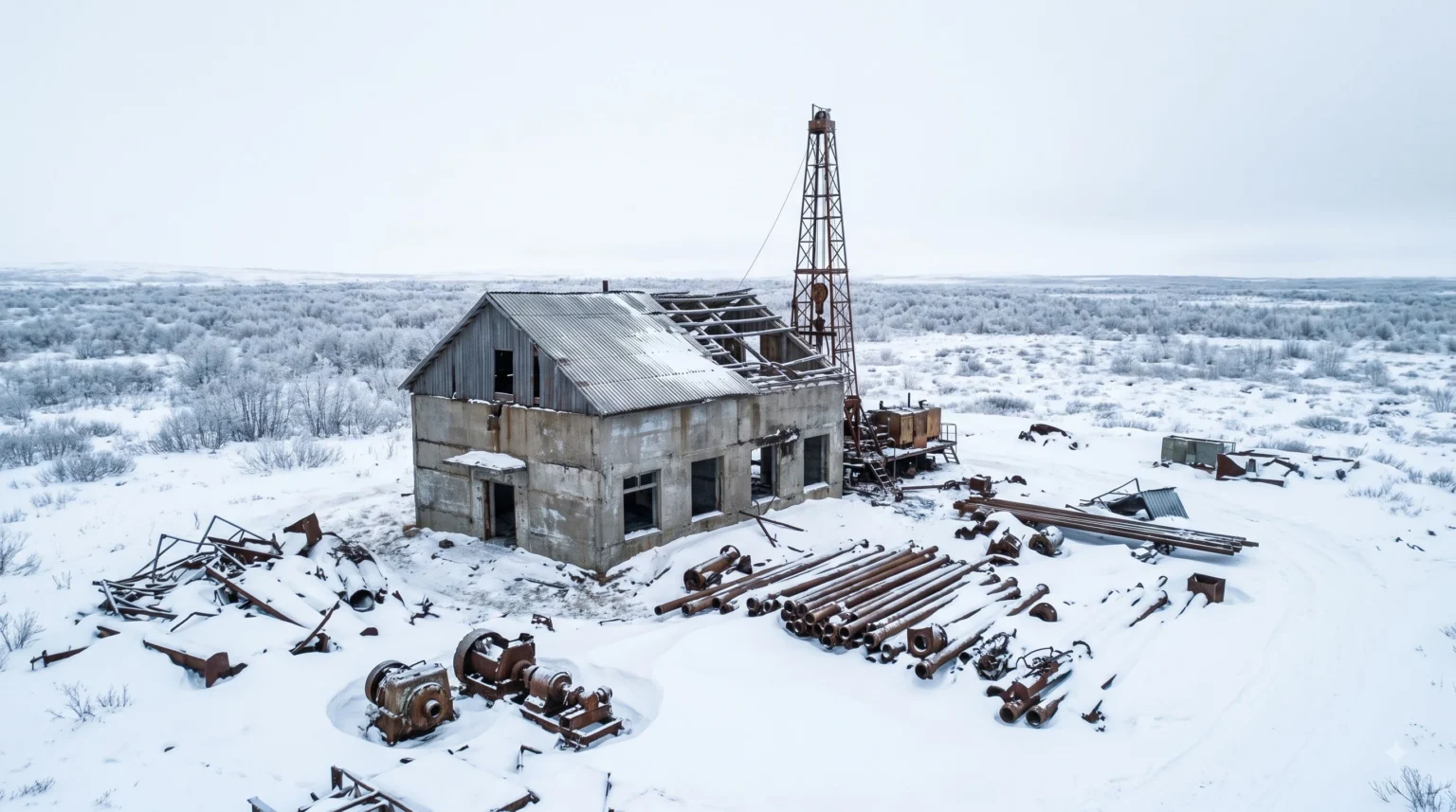
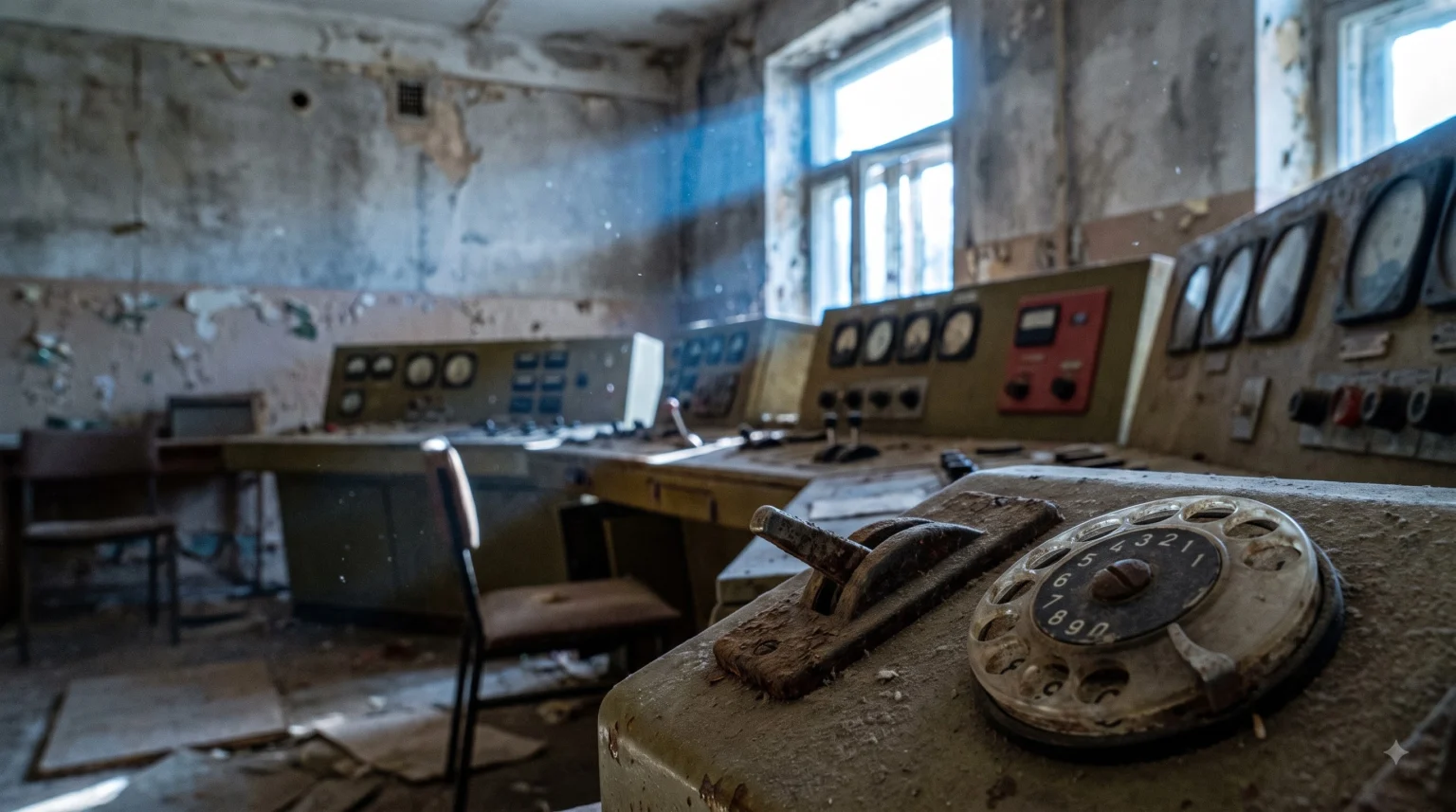
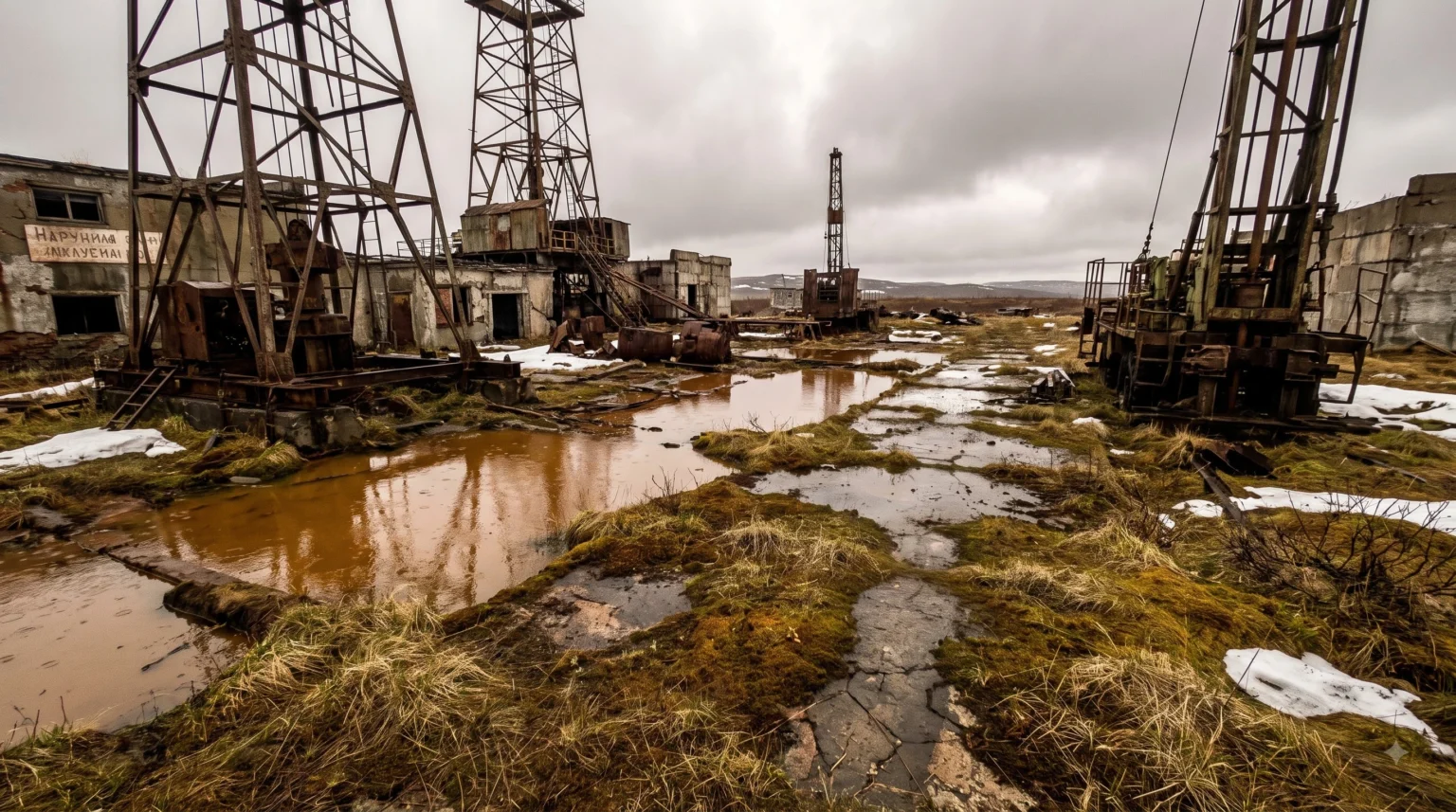
What survives above ground now reads as a derelict Arctic industrial compound more than a monument. A crumbling building here. Scattered rusted equipment there. Fragments of a facility that once housed one of the most ambitious science programs on the planet.
At the centre of it sits the cap itself – heavy, circular, bolted down, stamped with the number 12,262 in a language of metres that barely registers until you do the math in your head. Photographs of that cap are honest about the surface. They tell you nothing certain about what condition the shaft holds twelve kilometres beneath it.
What Remains at the kola superdeep borehole Site
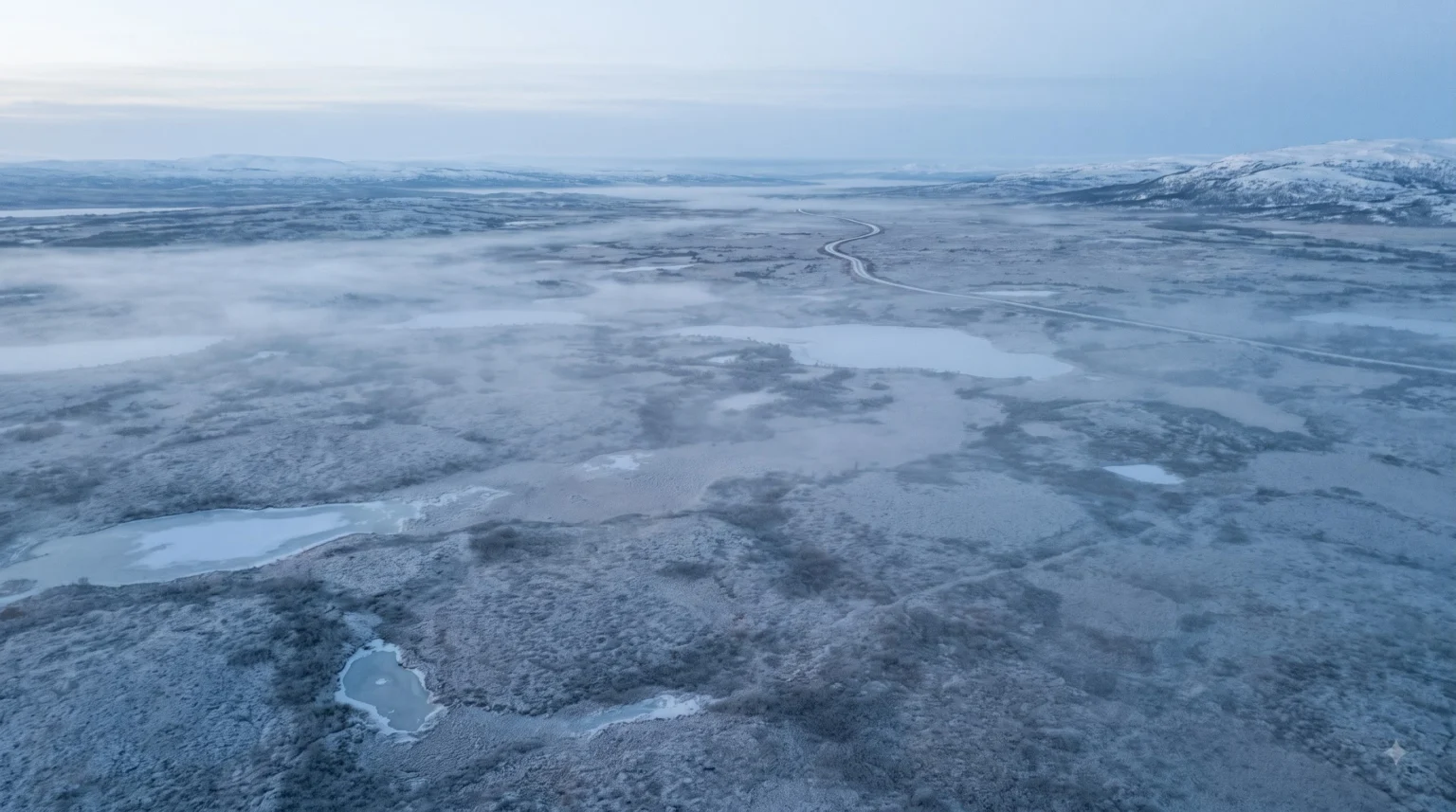
Go in winter and the wind never really stops, sweeping flat and hard across open tundra with nothing tall enough to break it before it reaches you. Snow settles into every gap the buildings have opened to it.
Go in the warmer months instead and the ground turns against you in a different way – mud, standing water, vegetation pushing up through service roads that nobody has maintained in decades. Rust colors everything metal has touched.
Step inside any of the remaining structures and listen. That is the detail people don’t expect; how little sound there is. No pumps, no drilling rhythm, no diesel hum. Just empty-room acoustics, wind finding gaps in the walls, maybe a bird or an insect, maybe a distant engine on a road you can’t see.
Finding the Sealed Wellhead: Access and Permissions
Here is the part any responsible account has to say plainly; this is not a museum with open hours, and it never will be. Treating it like an unrestricted urbex site is the fastest way to turn a fascinating history trip into a serious legal problem.
A realistic route starts far from the wellhead itself, in Murmansk Oblast, working toward the Zapolyarny and Pechenga area over roads that get rougher the closer you get. From there, local transport must be arranged deliberately, not improvised.
Access beyond that point runs through permission, not persistence – from whichever landowner, operator, municipal office, or security authority currently holds say over the land. If that permission comes through, you move only with an authorized local guide, viewing the sealed wellhead and whatever surface infrastructure remains from approved ground, nothing more
The Kola Core Repository
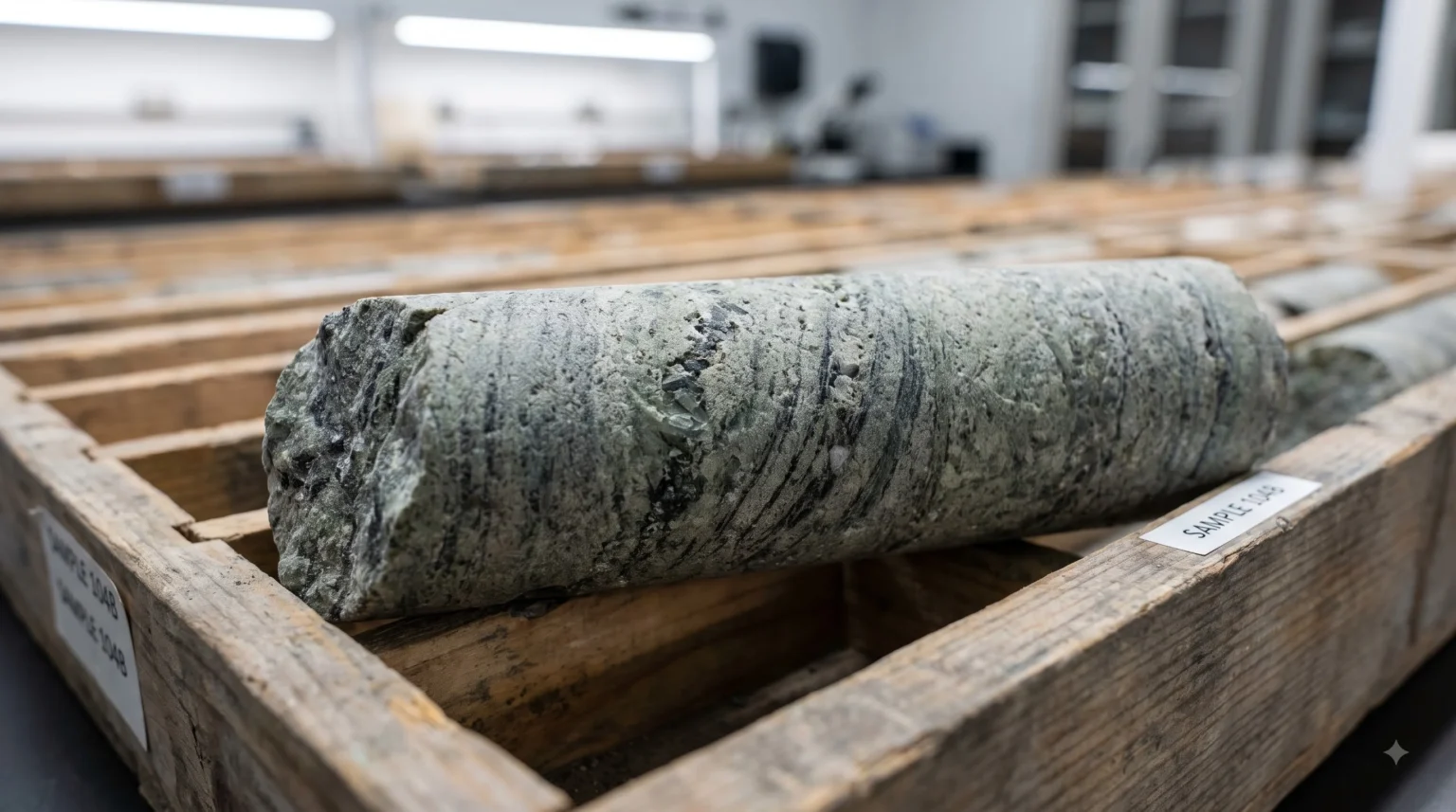
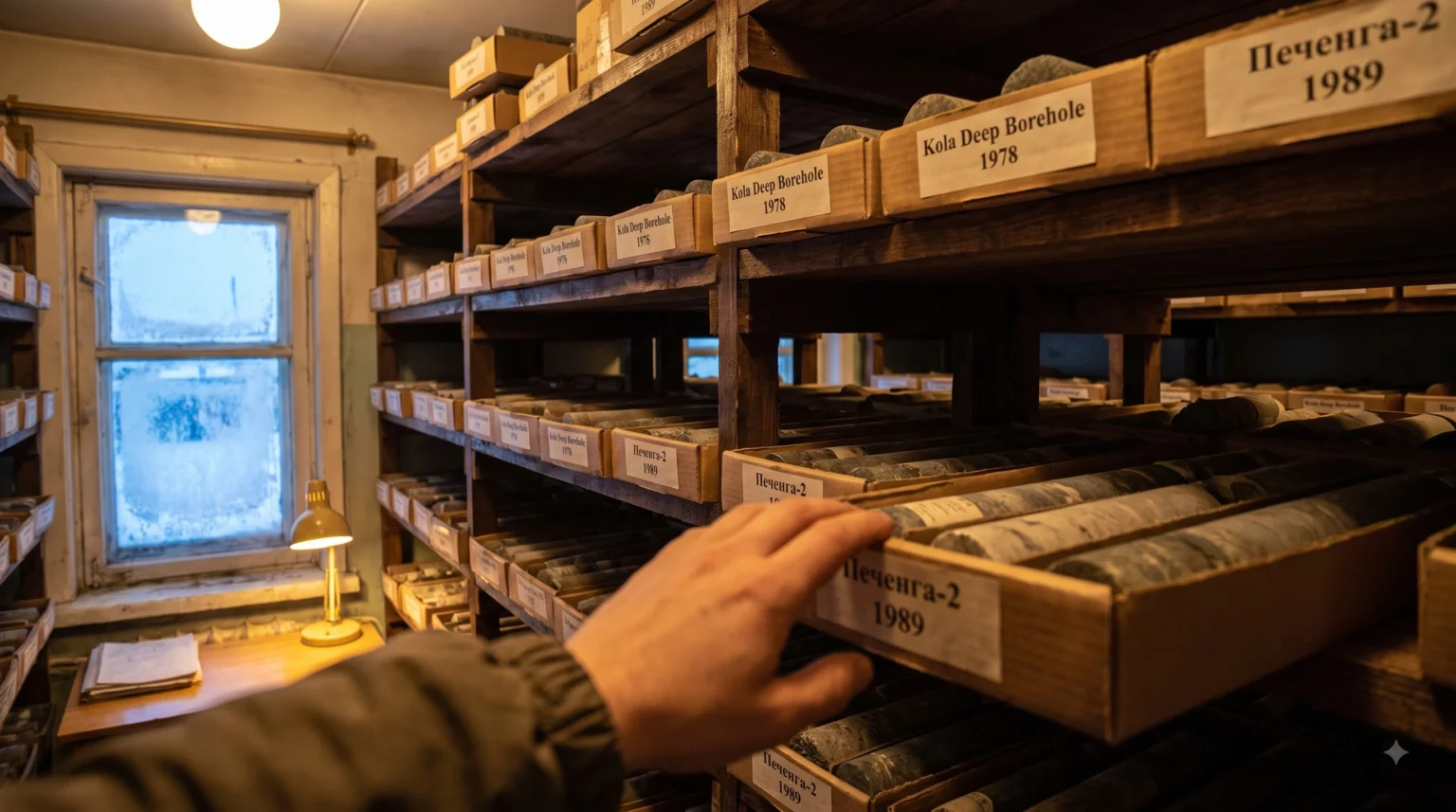
Consider, too, that the more rewarding stop might not be the cap at all. The Kola Core Repository in Zapolyarny, roughly ten kilometres from the borehole itself, is reported to hold preserved core samples pulled from those record depths – a tangible, physical connection to the project that doesn’t require standing on unstable, restricted ground to experience.
Arctic Conditions
Remember where you are on the map while you plan any of this. This stretch of the Arctic sits close to Russia’s borders with Norway and Finland, inside a region where security rules, travel regulations, and access permissions can shift without much warning.
Foreign travellers should expect visa requirements, registration steps, and permits that go well beyond a normal tourist itinerary, along with real restrictions on photography and drone use near border zones and former strategic installations.
None of that is optional colour. Independent trespass, forcing entry, climbing through unstable structures, or attempting to open that cap yourself is not adventurous. It is unsafe, and depending on the site’s current legal status, it can be outright illegal.
What to Bring for an Authorized Visit: Arctic Clothing and Footwear
If authorized access does come together, dress for a place that gives no shelter. Layered, genuinely weatherproof clothing matters more than anything else in your bag, paired with insulated boots for winter cold or waterproof footwear for thaw-season mud.
Add gloves built for handling cold metal and gear without losing feeling in your fingers, head protection for moving near any deteriorating structure, and high-visibility clothing if the site authority asks for it. None of this is optional styling. It is the difference between a good story and a bad one.
Navigation and Communication Equipment
Bring proper navigation and communication equipment for a region where a phone signal is not something you can count on, along with basic first-aid supplies and camera gear insulated against both cold and moisture. A radiation dosimeter isn’t standard here; this was never a nuclear site; though you follow whatever monitoring rules the site authority sets, without exception.
Walk away from that cap and you carry something stranger than photographs. You carry the shape of a project that reached further into solid rock than anything before or since, then stopped; not from one dramatic failure, but from heat, geology, waning urgency, and a funding system that simply ceased to exist beneath it, one collapse mirroring the other.
The Final Verdict on the Kola Superdeep Borehole
Stand back from all of it now. The tower is gone. The core samples sit boxed on quiet shelves somewhere. All that’s left on the surface is a rusted disc you could cover with two hands.
Twelve thousand two hundred and sixty-two metres. That number will likely outlive everyone reading this, untouched, unbeaten, filed away in a category of human ambition nobody is racing to reclaim.
The tragedy here was never really about heat, or funding, or a snapped drill string. It was ambition meeting the honest limits of the world it tried to conquer, and refusing to admit it until the money ran out.
What the Kola Superdeep Borehole Left Behind
But the awe survives the tragedy easily. Two and a half billion years of rock, pulled into daylight. Fossils sealed since before anything with a spine ever crawled. Proof that the deep crust behaves far stranger than any textbook dared claim.
Forget the screams from hell. Forget the tunnel to the planet’s core that never existed. What actually happened here needed no embellishment; a nation drilled further into solid rock than anyone before it, hit a wall built from physics and history at the exact same moment, and simply stopped.
The cap stays welded shut on a quiet Russian hillside, close to two borders most people couldn’t find on a map. Somewhere beneath it, twelve kilometres of silence still holds whatever the drill never finished proving.
So here’s the question worth sitting with. How far would your own curiosity carry you, if you genuinely knew the ground itself would eventually fight back?
If places like this get under your skin the way they get under ours, you already know what to do. Bookmark and subscribe to roastedbum.com to get more updates on astonishing historical deep dives.
Visitor Information
| Location | Pechengsky District, Murmansk Oblast, Russia |
| Nearest Town | Zapolyarny |
| Current Access | Restricted; not a conventional tourist attraction |
| Entry Requirements | Prior permission and authorized local access required |
| Independent Access | Not recommended / may be prohibited |
| Best Time to Visit | Summer: June–August |
| Winter Conditions | Extremely cold, snowy and difficult to access |
| Nearest Major City | Murmansk |
| Walking Conditions | Uneven terrain, abandoned industrial surfaces and Arctic weather |
| Photography | Subject to local restrictions and site permissions |
| Drone Use | Restrictions may apply; check current local regulations |
| Approximate Duration | 1–3 hours if authorized |
| Nearby Point of Interest | Kola Core Repository, Zapolyarny |
| Accessibility | Limited; abandoned industrial terrain is not designed for accessibility |
| Safety | Authorized access only; do not enter unstable structures or attempt to access the sealed borehole |
Disclaimer: The content on Roasted Bum is published strictly for historical, architectural, and educational purposes. We do not condone, encourage, or provide instructions for trespassing, bypassing security, or entering restricted, abandoned, or hazardous properties. Urban exploration carries severe legal consequences and life-threatening physical risks, including structural collapse, toxic exposure, and unexploded ordnance. Do not attempt to visit or enter any restricted locations described on this website. Any actions taken by readers based on this content are entirely at their own personal and legal risk.