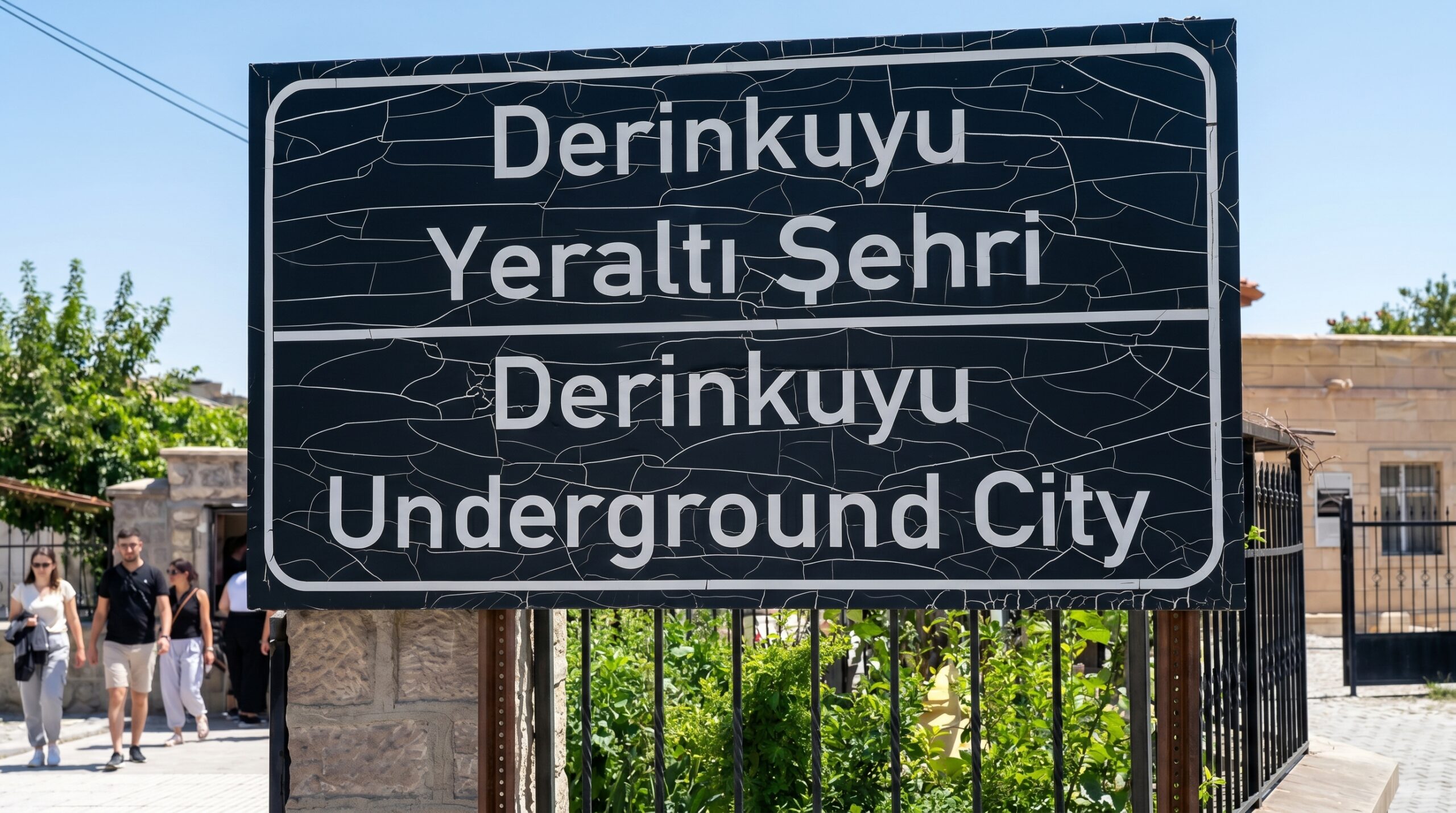
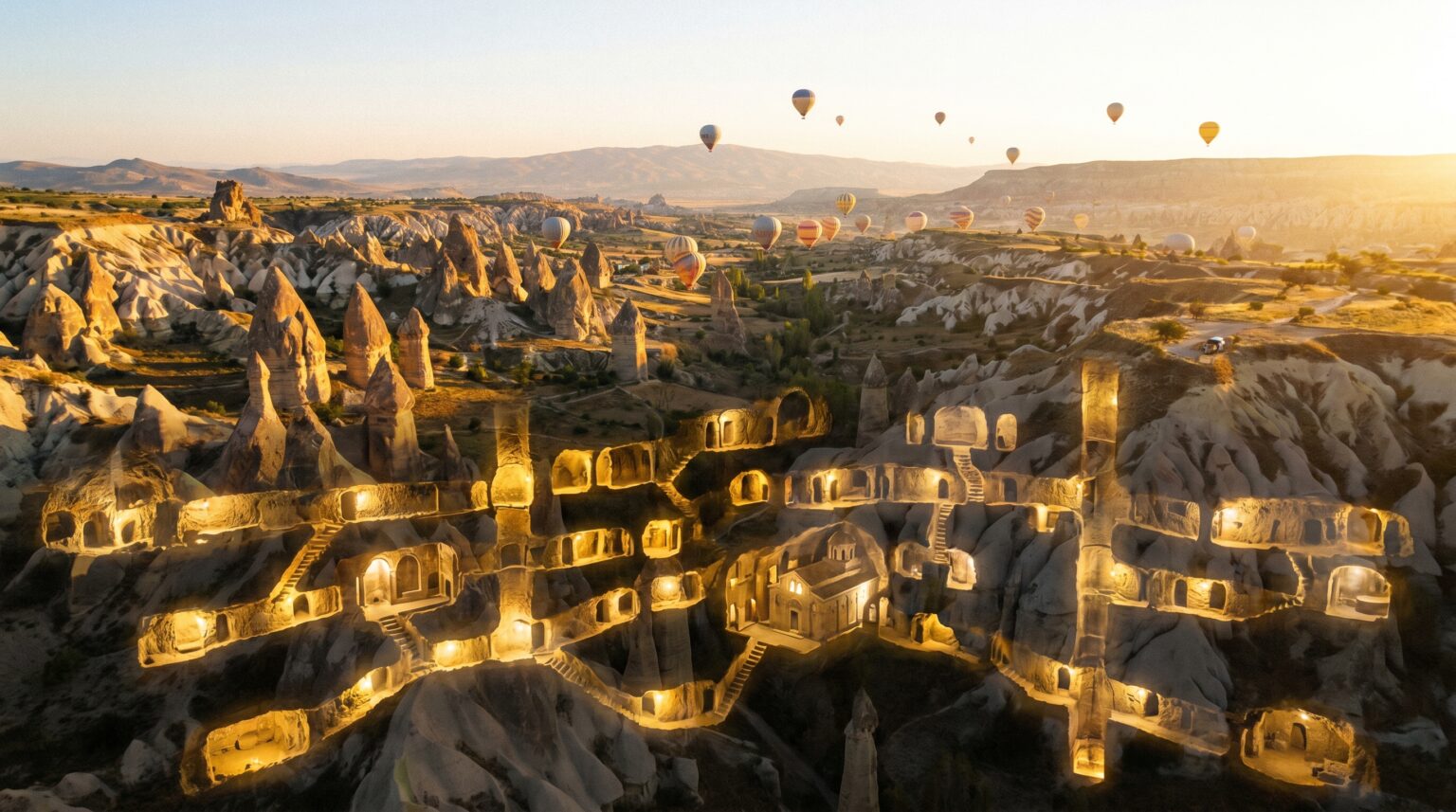
You stand on a quiet stretch of land in central Turkey. Nothing seems unusual at first glance. A few buildings, dusty roads, and the vast landscape of Cappadocia spread before you. Yet beneath your feet lies Derinkuyu Underground City, one of the most astonishing engineering achievements ever created by human hands. Hidden nearly 85 meters below the surface, this immense underground settlement once protected as many as 20,000 people along with their animals, food supplies, and entire way of life. Archaeologists believe the city extends across at least 18 levels, making it the deepest known underground city in Turkey. (Visit Cappadocia)
Beneath the Earth Lies a Lost World
Imagine walking across a landscape without realizing that an entire city exists beneath you. Not a cave. Not a bunker. A genuine city complete with living quarters, storage chambers, schools, churches, kitchens, wells, and defensive systems.
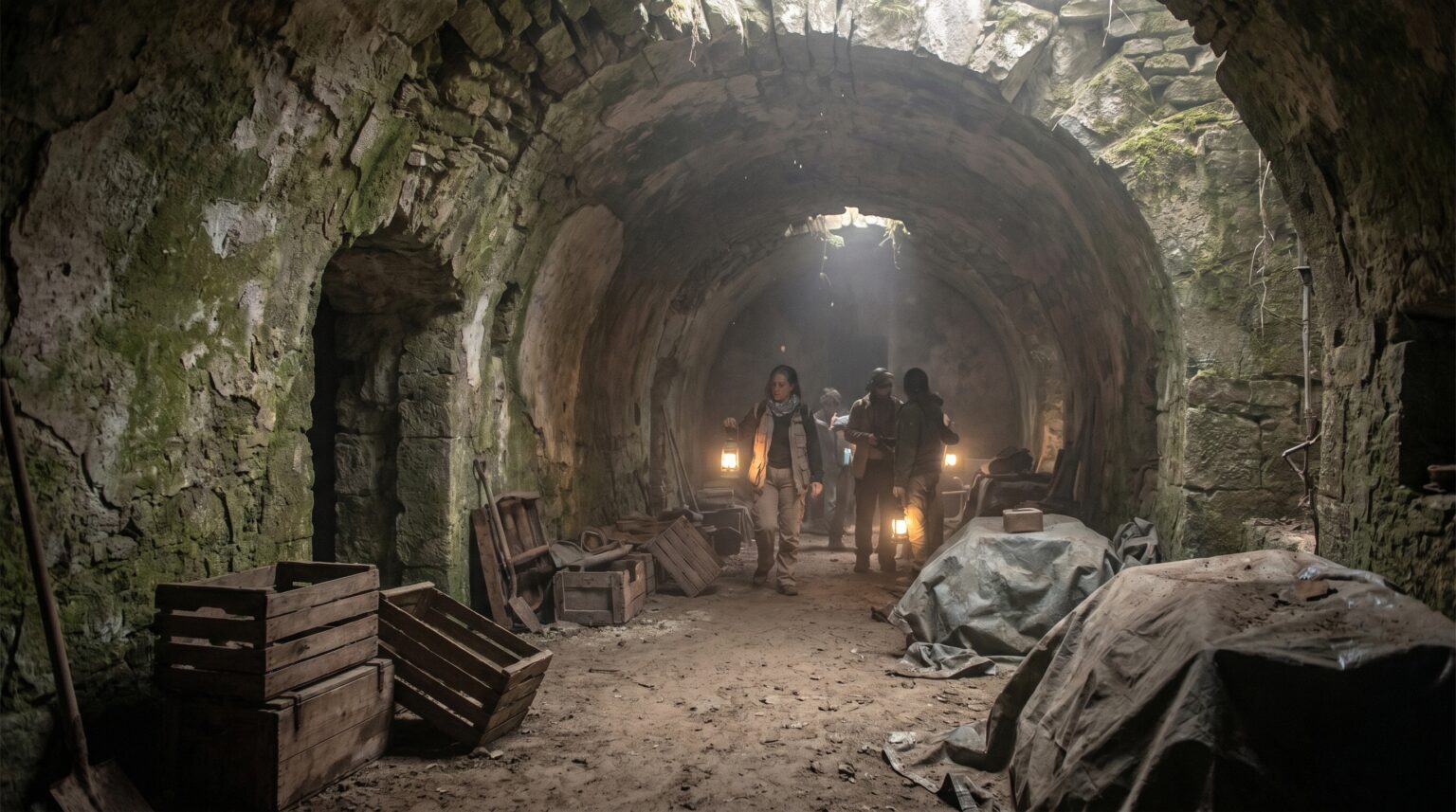
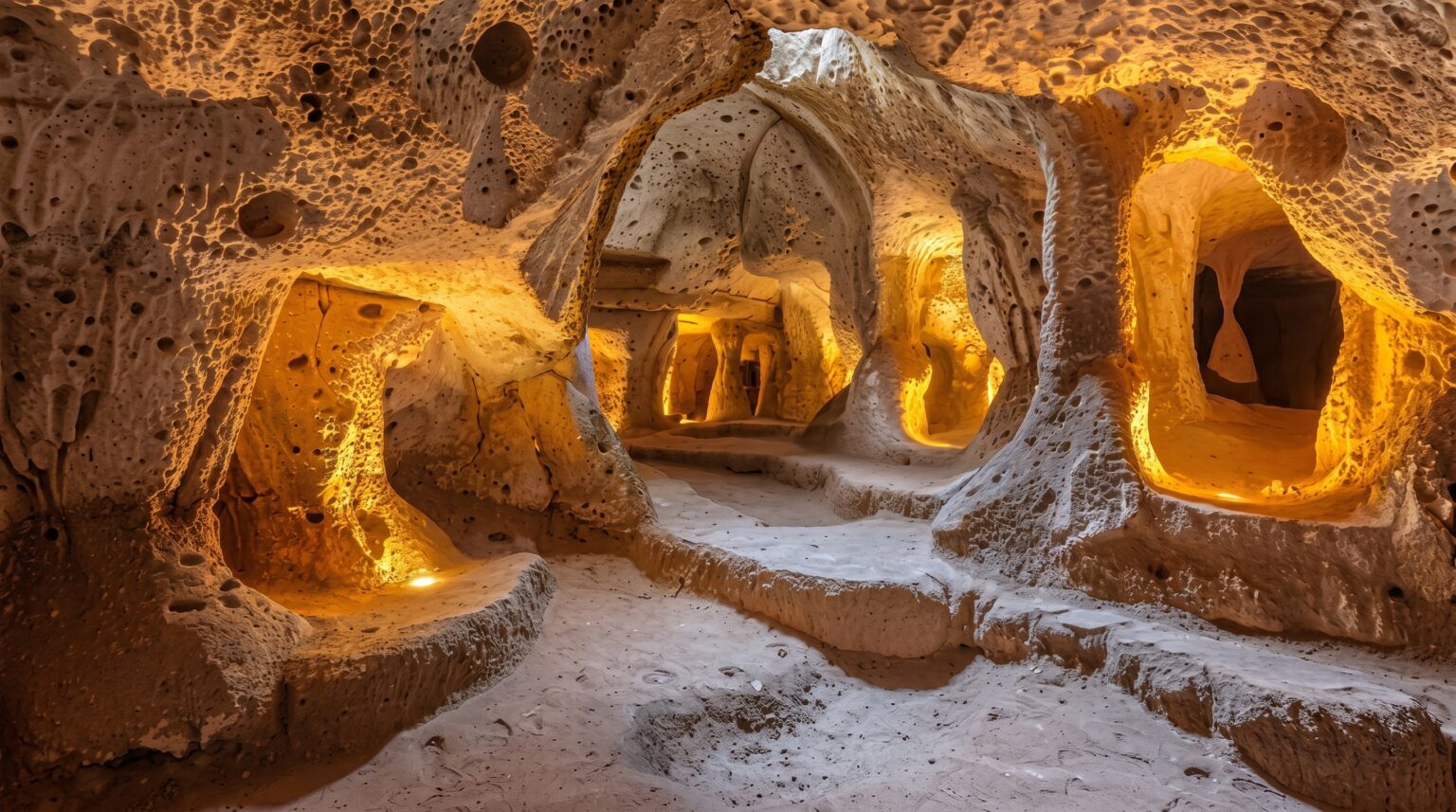
The deeper you descend into Derinkuyu, the more impossible it feels. Narrow passageways twist through volcanic rock. Stone walls seem to absorb every sound. Cool air brushes across your skin even during the hottest summer day. Each level reveals evidence of lives lived in secrecy.
What makes this place extraordinary is scale. Many ancient cultures built shelters underground. Very few carved a complete city capable of sustaining thousands of people for months at a time. The city functioned like a hidden world, designed to disappear whenever danger approached. Its builders created an environment where entire communities could survive without depending on the surface above.
The Day a Basement Wall Changed History- An Accidental Discovery in 1963
History sometimes hides in the most ordinary places.
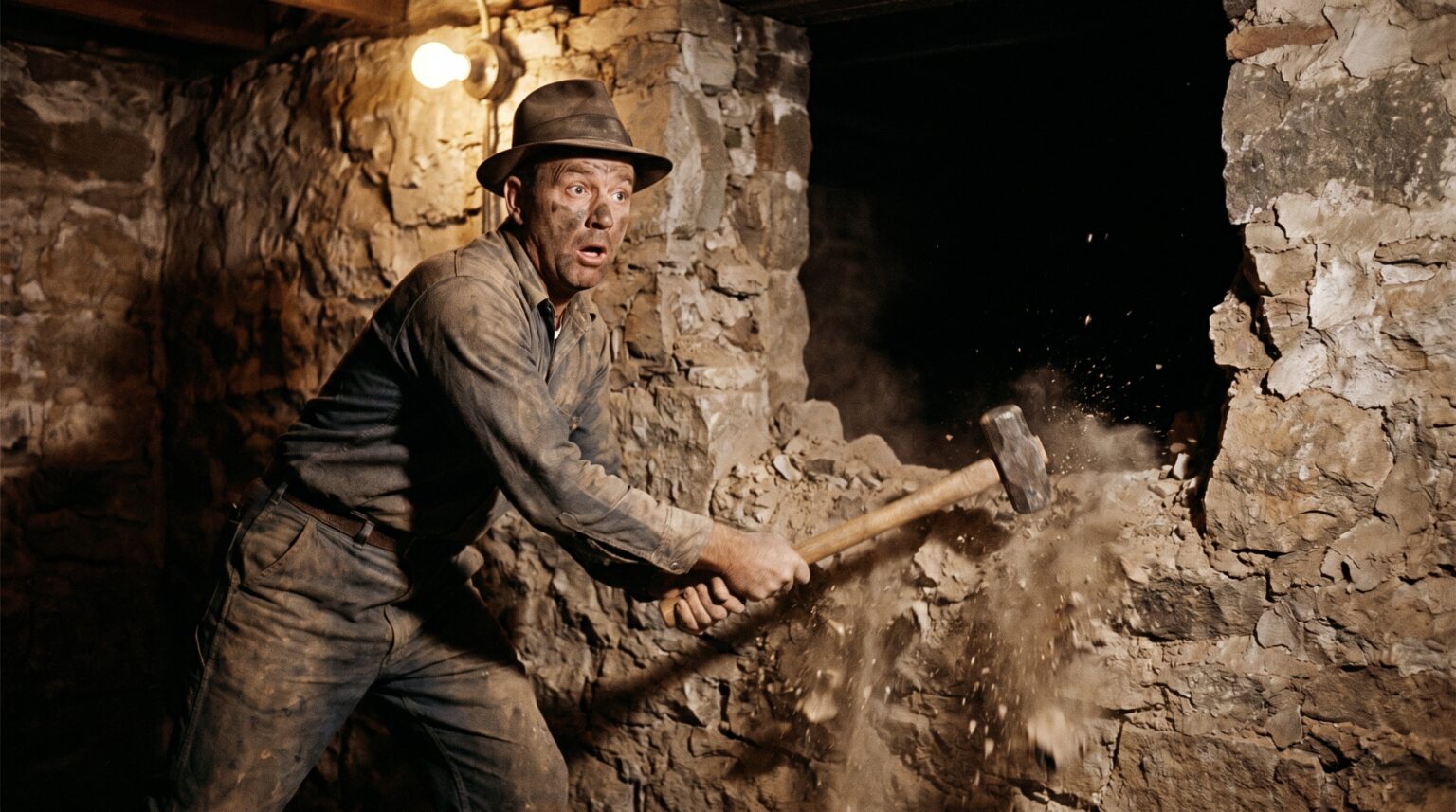
In 1963, a local resident in the town of Derinkuyu decided to renovate part of his home. While removing a wall in his basement, he uncovered a mysterious chamber. Curious, he looked further. Behind that room was another passage. Behind that passage were more rooms and tunnels.
What started as a simple home improvement project became one of archaeology’s most remarkable discoveries. The hidden network eventually revealed a massive underground complex extending deep beneath the town. Researchers soon realized they had uncovered the largest excavated underground city in Turkey.
The Maze Behind the Stone
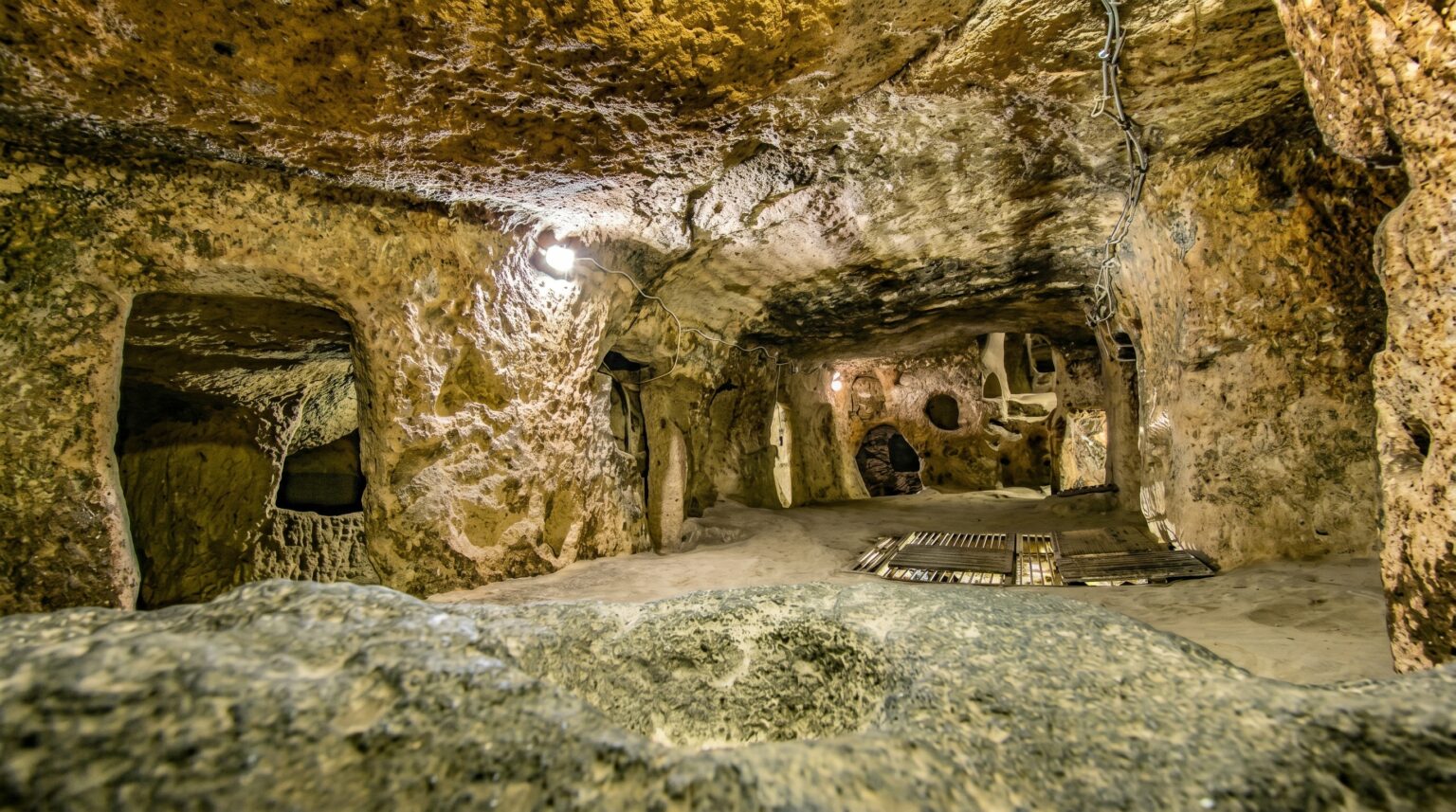
As exploration continued, archaeologists discovered a sophisticated labyrinth unlike anything previously imagined. The city stretched through multiple levels connected by tunnels, stairways, and chambers.
Every section appeared carefully planned. Storage rooms occupied one area. Living quarters filled another. Religious spaces sat deeper underground. Defensive features appeared throughout the complex. Rather than a collection of random caves, Derinkuyu revealed itself as a carefully engineered urban environment.
The discovery transformed understanding of Cappadocia’s history and highlighted the extraordinary ingenuity of ancient communities that lived in this challenging region.
Carving a Kingdom Underground- Why Ancient Builders Went Below Ground
Step back thousands of years.
The Cappadocia region occupied an important crossroads between civilizations. Armies marched through its valleys. Empires rose and fell around it. Communities living here faced recurring threats from invasions, raids, and political instability.
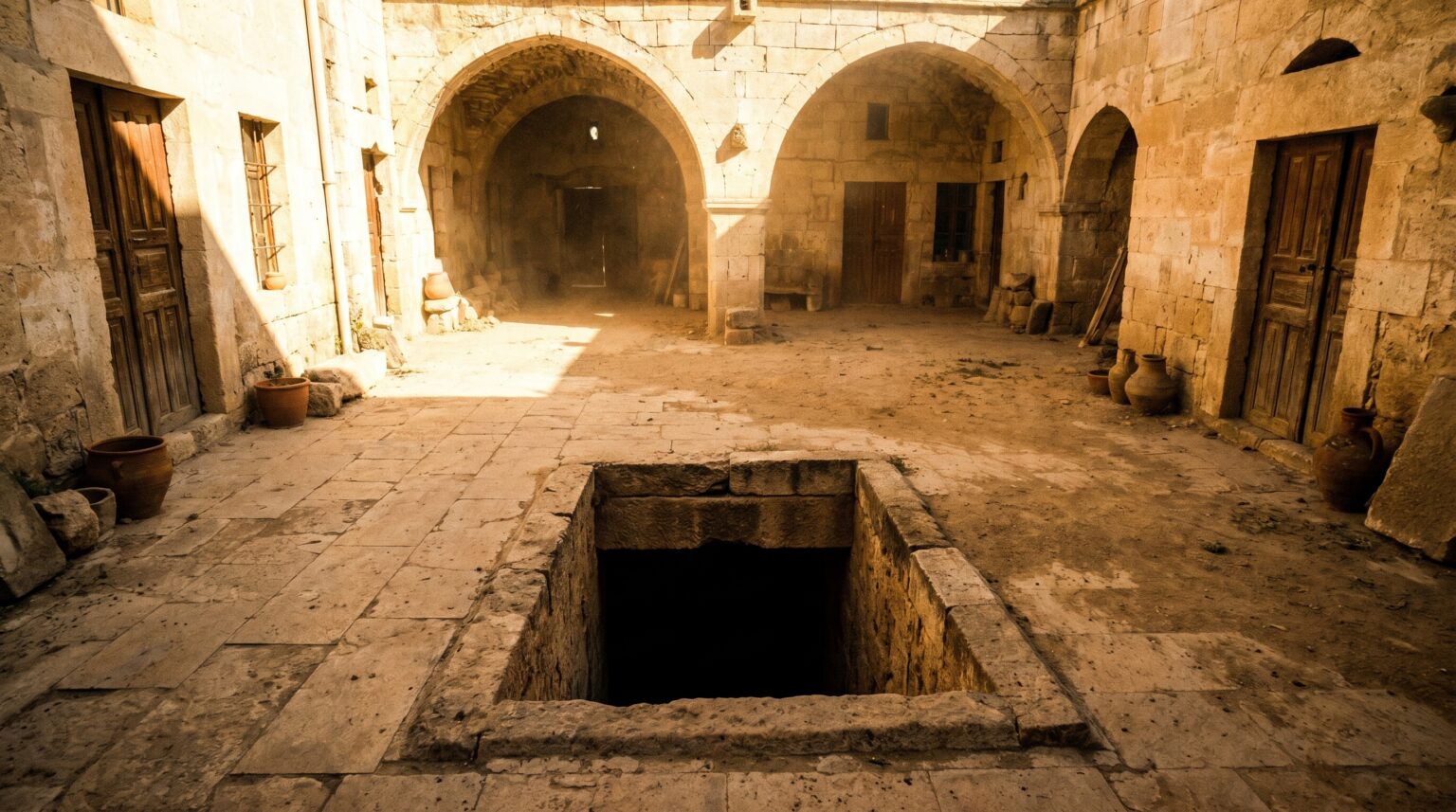
Underground construction offered a remarkable solution. Instead of building higher walls above ground, residents created secure spaces beneath it. Hidden entrances allowed entire populations to disappear from sight. When danger approached, families could retreat underground, seal entrances, and wait safely until threats passed.
Historians debate exactly who began the earliest excavations. Evidence suggests origins stretching back to the Phrygian period, while later Byzantine communities expanded the complex extensively. Christian populations especially relied on these underground refuges during periods of conflict and regional instability. (Wikipedia)
The Volcanic Rock That Made It Possible
Nature played a crucial role in making Derinkuyu possible.
Millions of years ago, volcanic eruptions covered Cappadocia with layers of soft volcanic tuff. This rock proved surprisingly easy to carve using simple tools. At the same time, it remained structurally stable enough to support extensive underground excavation.
The result was an ideal building material. Ancient workers could gradually expand chambers, corridors, and storage spaces without requiring advanced machinery. Generation after generation contributed to the city’s growth.
Today, visitors walking through these passages witness a partnership between geology and human creativity. Without Cappadocia’s unique volcanic landscape, Derinkuyu might never have existed.
Life Inside Derinkuyu Underground City- Homes, Schools, Chapels, and Kitchens
Life underground required far more than simple shelter.
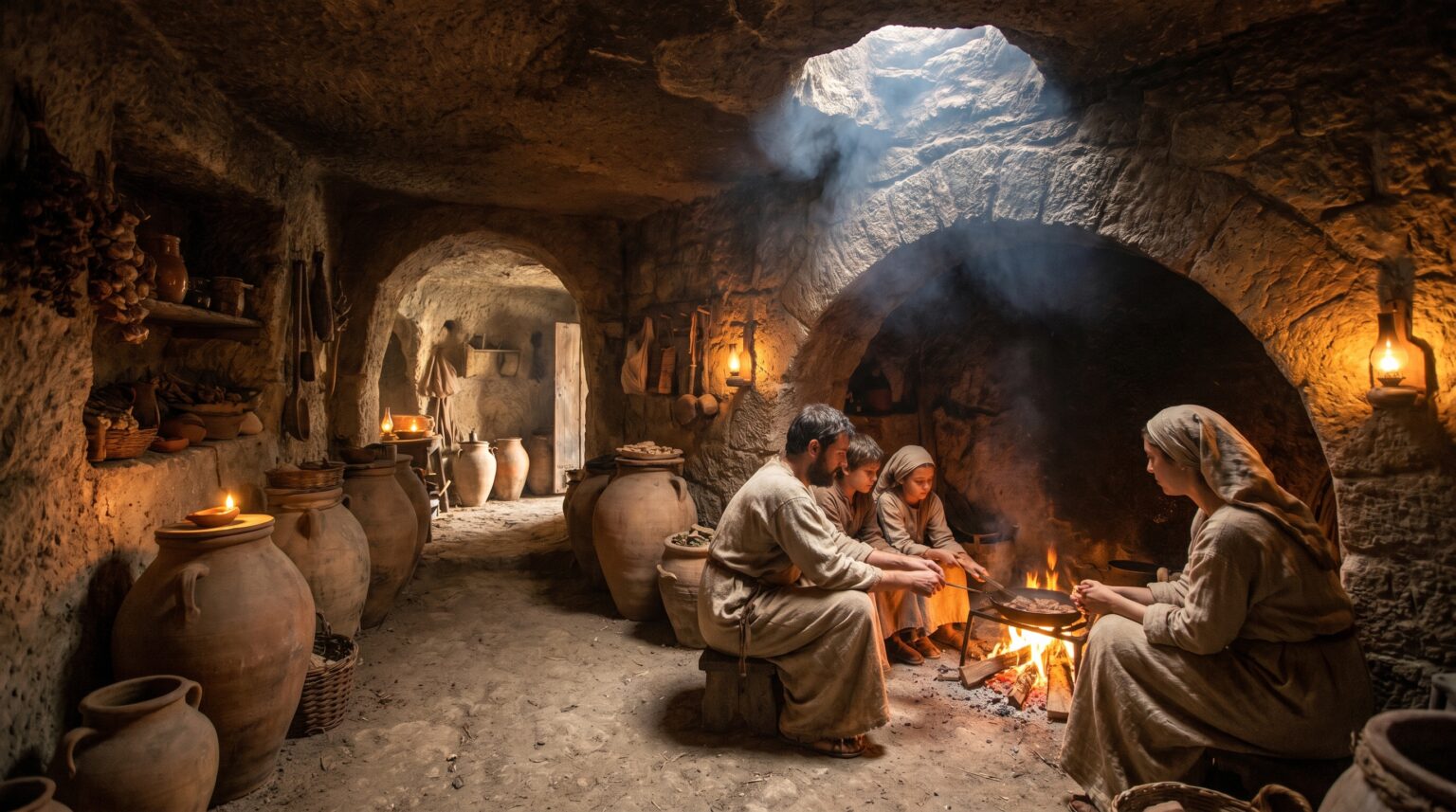
Families needed places to sleep, eat, worship, and learn. Derinkuyu provided all of these necessities. Archaeologists identified residential chambers, communal gathering spaces, religious schools, chapels, kitchens, and work areas throughout the city.
The presence of educational and religious facilities reveals something important. This was not merely a temporary hiding place. People expected to spend extended periods underground. Daily routines continued even during times of danger.
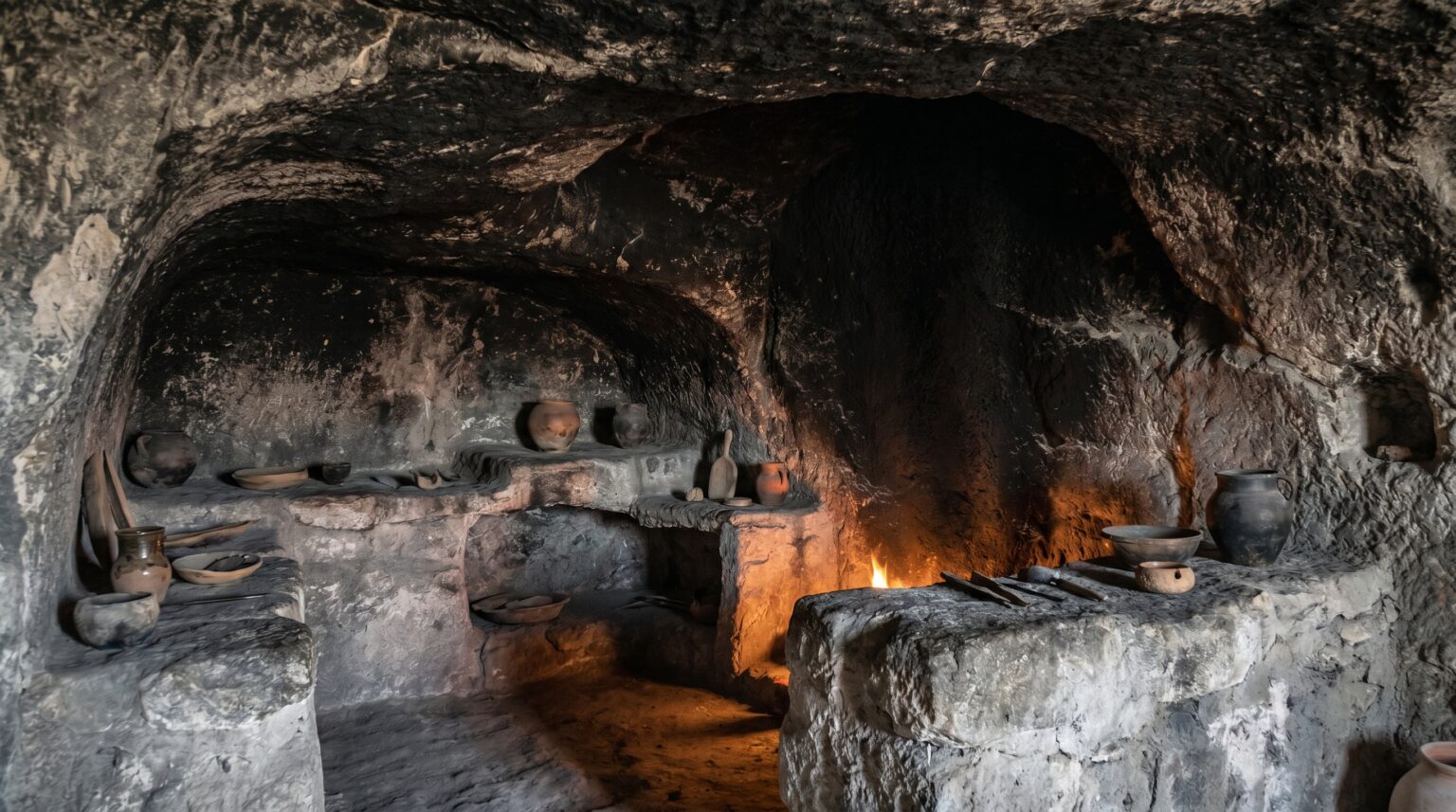
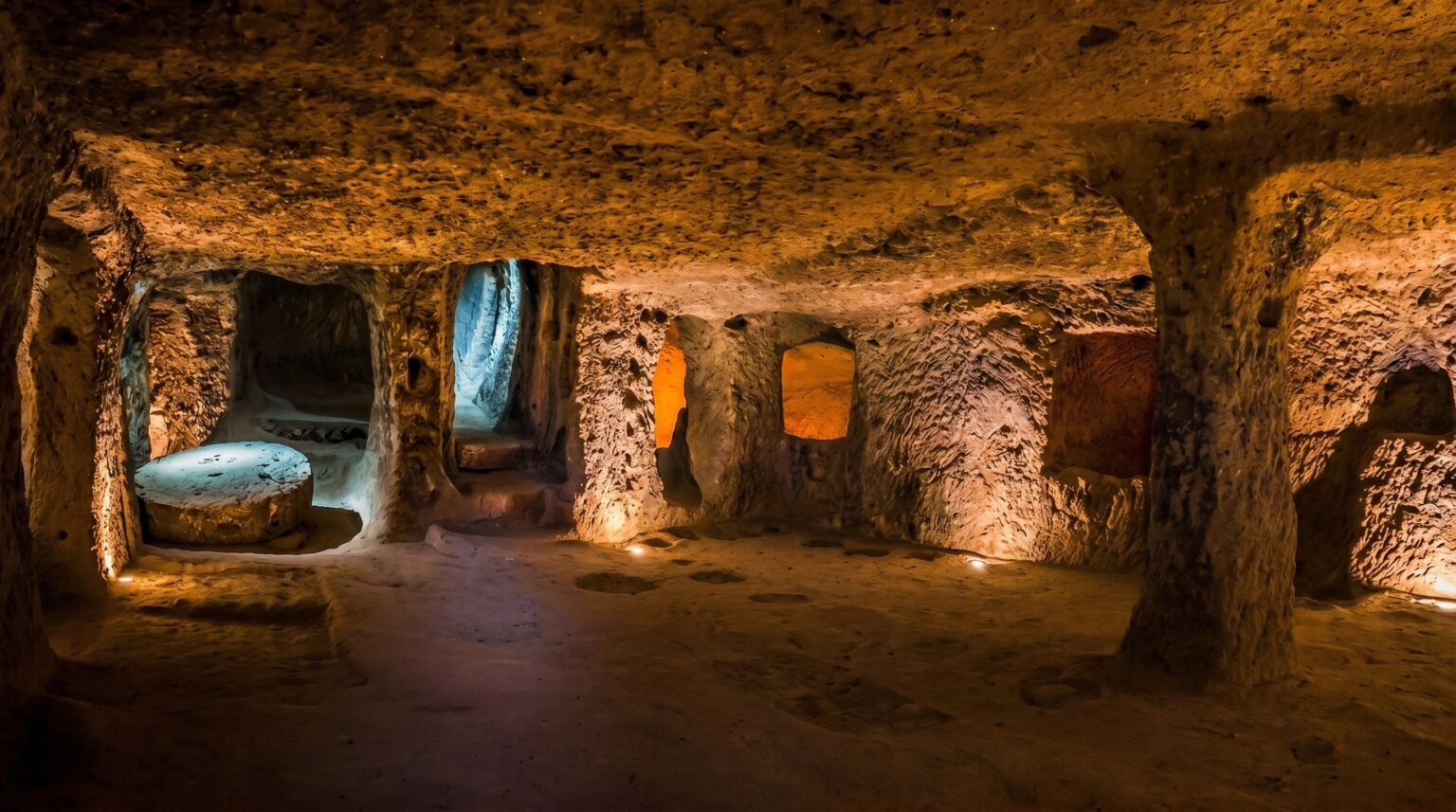
As you walk through the city today, soot-darkened ceilings hint at cooking fires. Small rooms suggest family life. Larger chambers reveal spaces where communities gathered together, maintaining social bonds despite isolation beneath the earth.
Feeding Thousands Without Sunlight
A city cannot survive on courage alone.
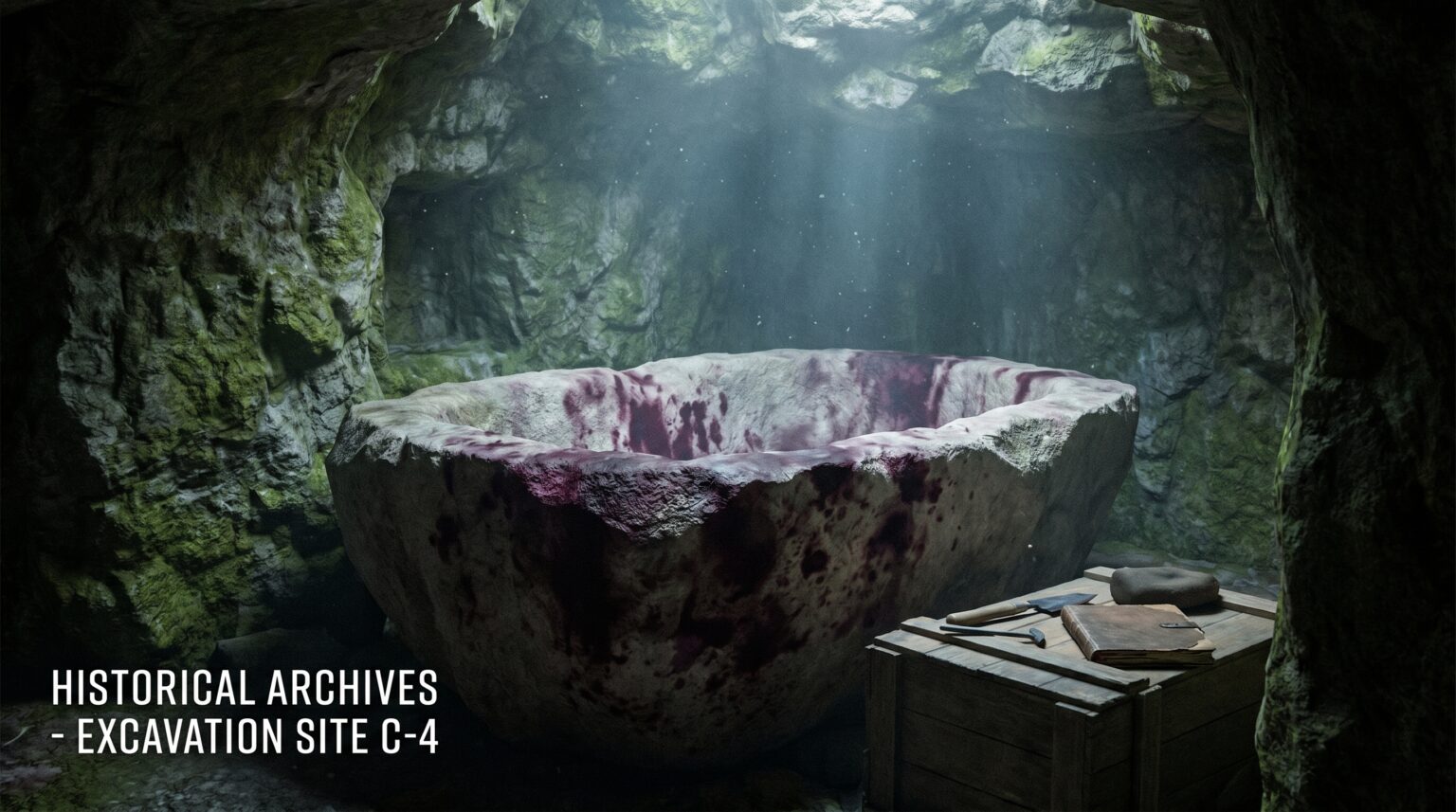
Food storage formed a critical part of Derinkuyu’s design. Large chambers stored grain, oil, wine, and other supplies. Specialized areas housed livestock. Presses for producing oil and wine helped maintain essential resources.
The city’s estimated capacity of 20,000 people required extraordinary planning. Every storage room represented preparation for uncertainty. Every chamber reflected a community determined to survive prolonged sieges or invasions.
Picture thousands of people living underground while daily life continued above. Supplies carefully managed. Resources protected. Entire communities sustained through preparation and cooperation. (Visit Cappadocia)
Air, Water, and Survival
Perhaps the greatest mystery is not how the city was built.
It is how people survived inside it.
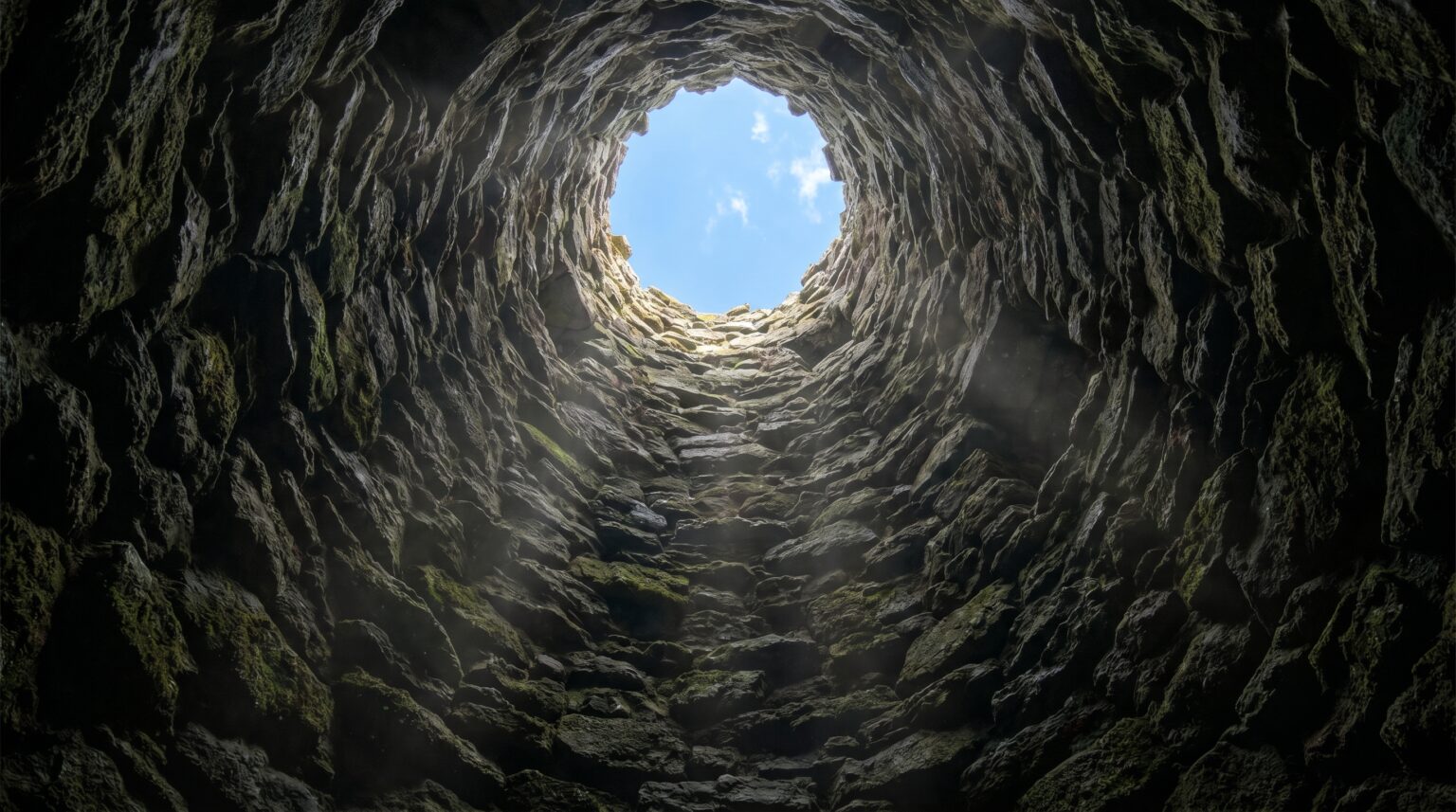
Derinkuyu contains an advanced ventilation system featuring dozens of shafts reaching deep into the earth. Some sources identify more than fifty ventilation shafts helping circulate fresh air throughout the complex. A major shaft also functioned as a water source, ensuring residents maintained access to clean water even when isolated from the surface.
The survival of Derinkuyu Underground City depended on a carefully designed network of essential features that allowed thousands of people to live underground for extended periods.
Extensive ventilation shafts circulated fresh air throughout the city’s many levels, ensuring that residents could breathe comfortably even deep beneath the surface.
Strategically placed wells provided a reliable source of water, allowing inhabitants to remain self-sufficient during times of isolation. Large food storage rooms held grain, oil, and other supplies needed for long-term survival, while dedicated livestock areas accommodated animals that provided food, transportation, and labor.
Massive stone doors served as powerful defensive barriers, sealing off tunnels and protecting residents from potential invaders. Alongside these practical necessities, religious spaces offered places for worship, education, and community gatherings, helping maintain social and spiritual life during periods spent underground.
Together, these features transformed Derinkuyu from a simple refuge into a fully functional subterranean city capable of sustaining an entire population in times of crisis.
When Entire Villages Vanished Overnight
Imagine an invading force approaching across the horizon.
Smoke rises in the distance. Word spreads quickly through nearby villages. Families gather essential belongings and move toward hidden entrances. Within hours, entire communities disappear underground.
This scenario likely played out repeatedly throughout Derinkuyu’s history. During periods of persecution and regional conflict, underground cities offered safety unavailable elsewhere. Christian communities particularly used these spaces during eras of external threat and military raids.
Silence became a weapon. Hidden beneath the earth, residents could remain undetected while danger passed overhead.
The Giant Stone Doors
One of Derinkuyu’s most impressive features appears surprisingly simple.
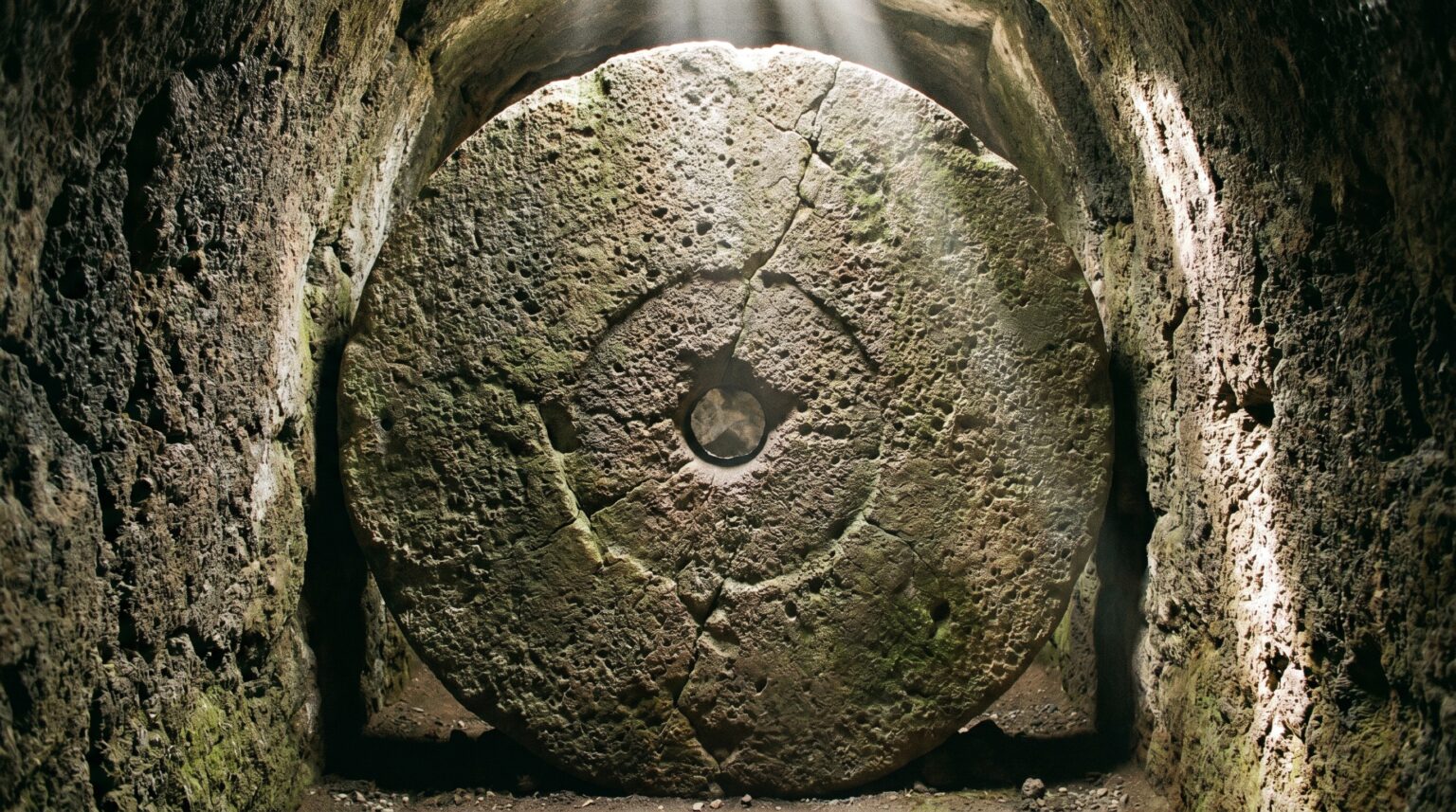
Massive circular stone doors guarded key passages. These stone disks could roll into place, sealing tunnels from within. Their design prevented easy entry by outsiders while allowing defenders to control movement throughout the city.
Each level could effectively isolate itself. If attackers somehow breached one section, additional barriers protected deeper levels.
Standing beside these enormous stone doors today creates a powerful connection to the people who once depended upon them. Every groove and worn surface speaks of preparation, fear, and determination.
The Engineering That Still Defies Expectations
Modern visitors often assume ancient societies lacked sophisticated engineering knowledge.
Derinkuyu challenges that assumption immediately.
Its ventilation system reaches remarkable depths while maintaining airflow across multiple levels. Fresh air traveled throughout living spaces, storage areas, and communal chambers. Without this network, long-term habitation would have been impossible.
Even with modern technology, creating comfortable underground environments requires careful planning. Ancient builders achieved similar goals through observation, experimentation, and practical engineering knowledge accumulated over generations.
Multi-Level Security Systems
Security shaped every aspect of the city’s design.
Narrow corridors limited movement. Defensive chokepoints controlled access. Rolling stone doors blocked intruders. Multiple levels created additional barriers between residents and potential attackers.
The city functioned like a giant underground fortress. Every tunnel served a purpose. Every chamber contributed to survival.
This combination of architecture, engineering, and defensive planning explains why Derinkuyu remains one of history’s most remarkable examples of subterranean urban design.
The Silence After the Crowds- Abandonment and Forgotten Centuries
No city lasts forever.
Over time, political conditions changed. New realities reduced the need for massive underground refuges. Communities gradually shifted toward surface living. Following population movements and historical upheavals during the early twentieth century, Derinkuyu eventually fell silent.
Dust settled across abandoned chambers. Passageways darkened. Memories faded.
For decades, the underground city remained hidden from broader public awareness despite existing directly beneath a modern settlement.
Rediscovery and Global Fascination
When rediscovered in 1963, Derinkuyu immediately captured imaginations around the world. Archaeologists, historians, engineers, and travelers all wanted answers.
- How long had it existed?
- Who built the earliest levels?
- How many people truly lived there?
Some mysteries remain unsolved. That uncertainty only adds to the fascination. Every tunnel seems to invite another question. Every chamber suggests another story waiting to emerge from the darkness.
What You Will See Underground Today
Visiting Derinkuyu today feels like entering another world.
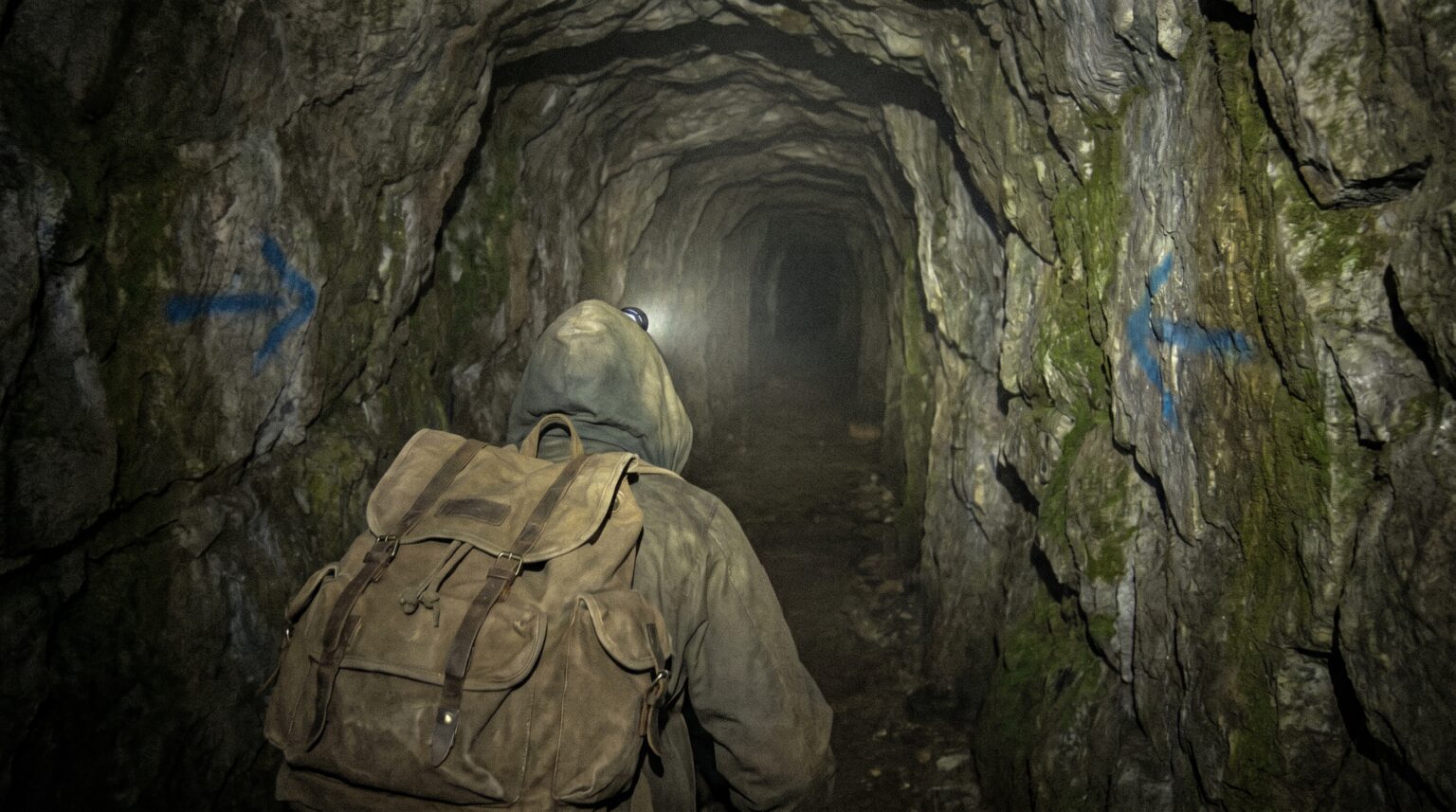
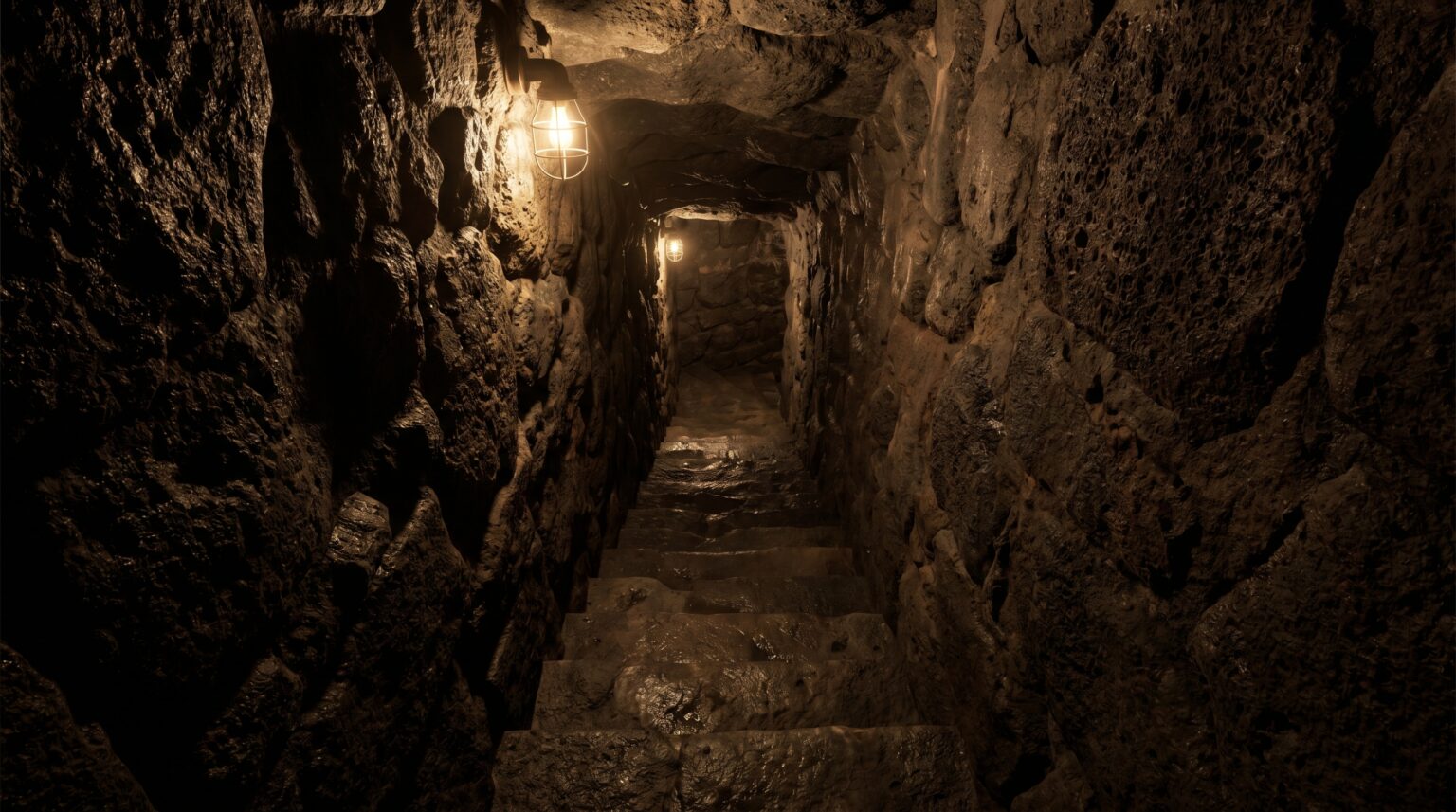
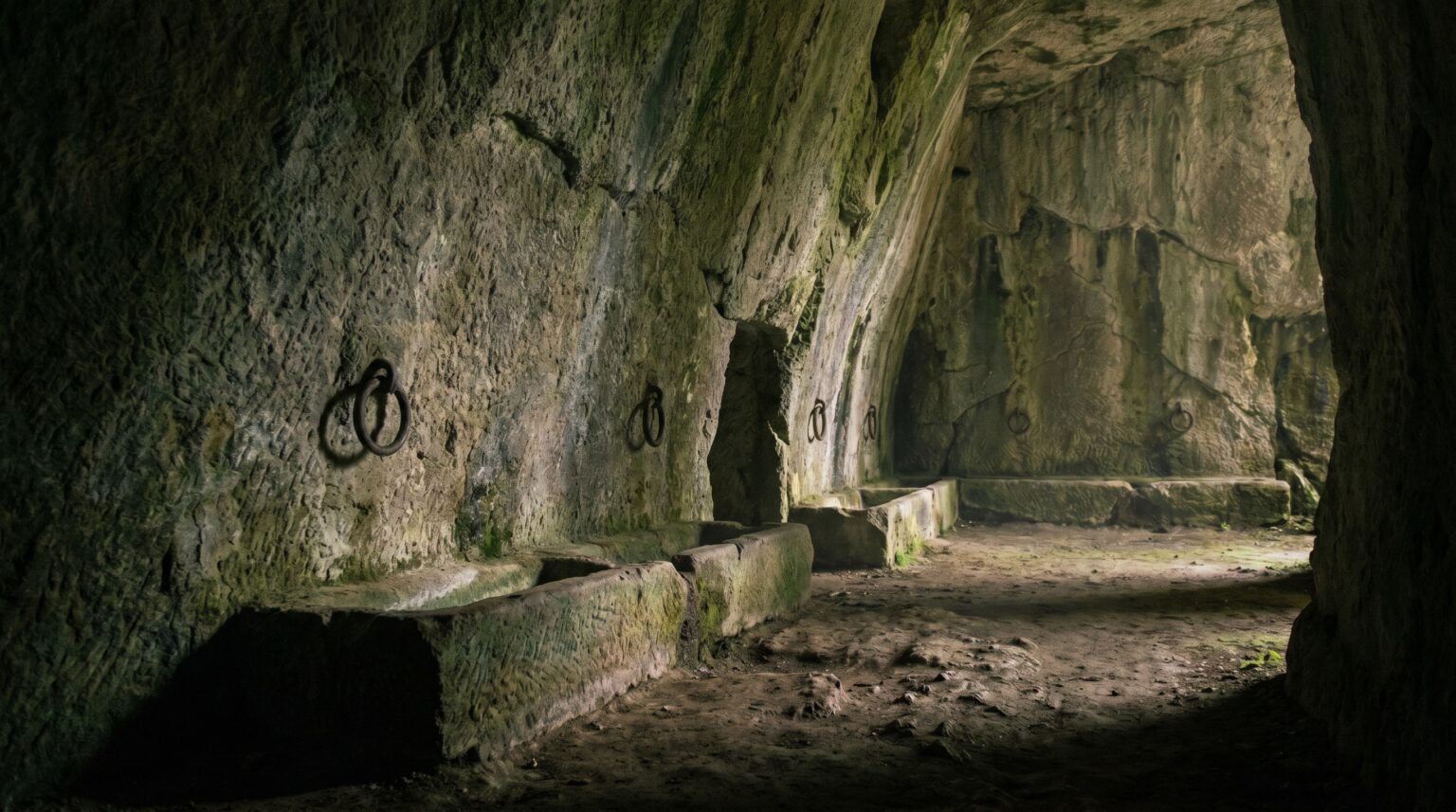
Only a portion of the city is open to visitors, yet the experience remains unforgettable. Narrow tunnels descend through multiple levels. Ancient kitchens appear frozen in time. Chapels emerge from solid rock. Storage rooms stretch into darkness.
The temperature remains cool throughout the year. Light filters carefully through modern installations while preserving the atmosphere of discovery. Every step carries you deeper into history.
Many travelers describe a strange sensation while exploring the city. The deeper they descend, the harder it becomes to believe everything was carved by hand centuries ago. (Visit Cappadocia)
Photography and Travel Tips
Comfortable walking shoes are essential. Some tunnels are steep and narrow. Claustrophobic visitors may find certain sections challenging.
A lightweight camera performs well in low-light conditions. Wide-angle lenses help capture confined spaces. Dark clothing can reduce unwanted reflections when photographing interior chambers.
Plan enough time to move slowly. Rushing through Derinkuyu misses the point entirely. This is not a place to check off a list. It is a place to absorb.
Pause often. Touch the stone walls. Listen to the silence. Imagine the thousands of lives that once unfolded beneath the surface.
The Final Verdict on Derinkuyu: Turkey’s Underground City
Derinkuyu stands as one of humanity’s most astonishing responses to uncertainty. Hidden beneath the volcanic landscape of Cappadocia, this underground metropolis reveals extraordinary resilience, creativity, and determination. Its 18-story network, immense capacity, advanced ventilation systems, and defensive architecture continue to challenge assumptions about the capabilities of ancient societies. Archaeologists estimate that as many as 20,000 people could find refuge within its depths, supported by carefully designed infrastructure that transformed solid rock into a living city. (Visit Cappadocia)
Today, visitors descend into chambers where generations once sought safety and survival. The experience feels less like touring ruins and more like stepping into a forgotten chapter of human ingenuity. For official travel information about Turkey’s cultural heritage sites, visit GoTürkiye.
Bookmark and subscribe to Roasted Bum to get more updates on astonishing historical deep dives.
The deeper question remains: when faced with danger and uncertainty, would you have possessed the vision to build an entire world beneath your feet?
Conclusion
Derinkuyu Underground City remains one of the most extraordinary archaeological discoveries on Earth. Hidden beneath Turkey’s Cappadocia region, this immense subterranean settlement demonstrates how ancient communities adapted to challenging realities with remarkable ingenuity. From its massive stone doors and sophisticated ventilation shafts to its chapels, schools, and food storage chambers, every feature reveals a society prepared to endure adversity. Walking through its tunnels today offers more than a glimpse into history. It offers a powerful reminder of humanity’s endless ability to innovate, survive, and create even in the most unlikely places.