Stepping Into the 1974 Time Capsule
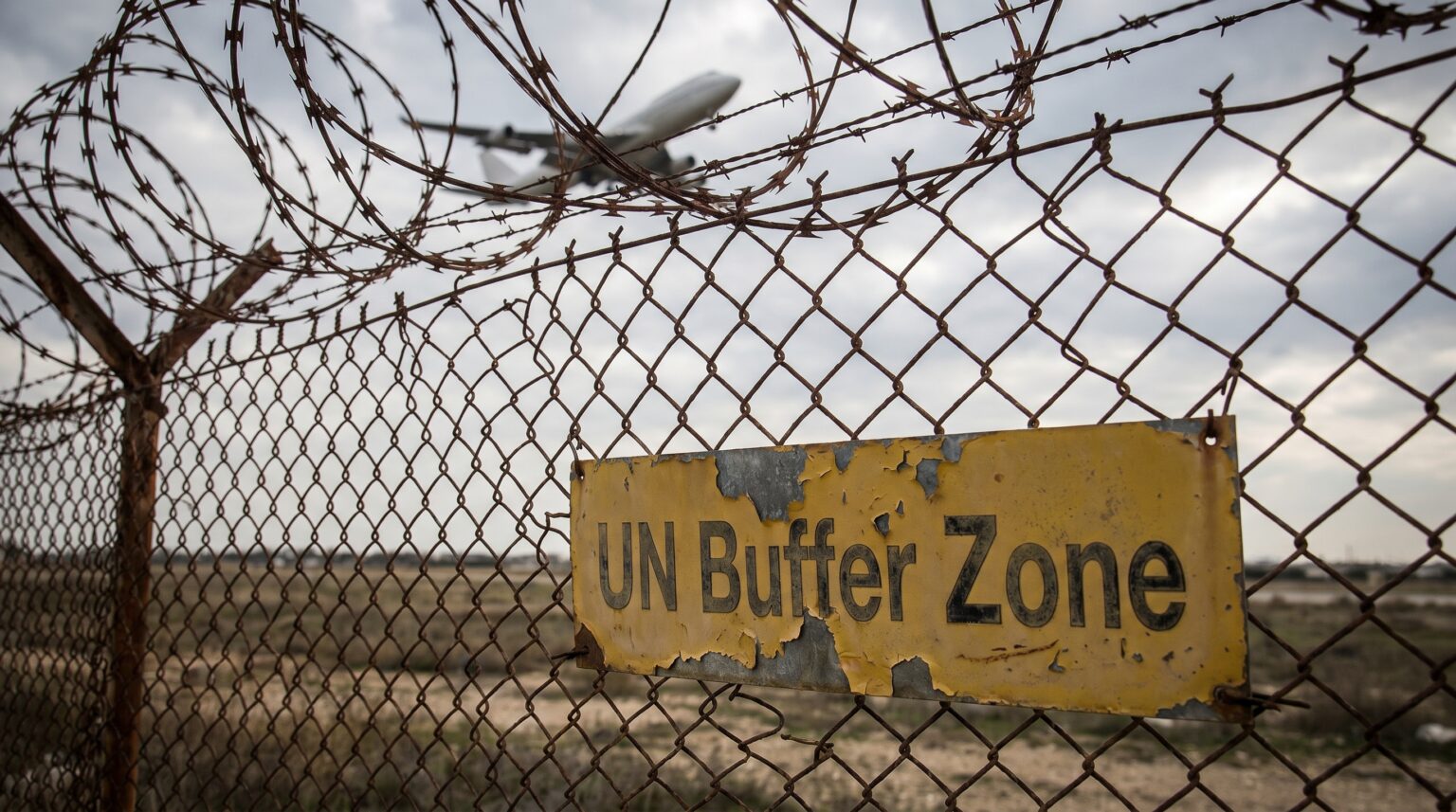
You stand near a rusted barbed wire fence under the glowing Mediterranean sun. Beyond this heavy barrier lies the haunting Nicosia Airport: Cyprus’s Forbidden Zone Since 1974. Look closely through the chain links at this silent concrete landscape. This abandoned Nicosia Airport remains perfectly frozen in time.
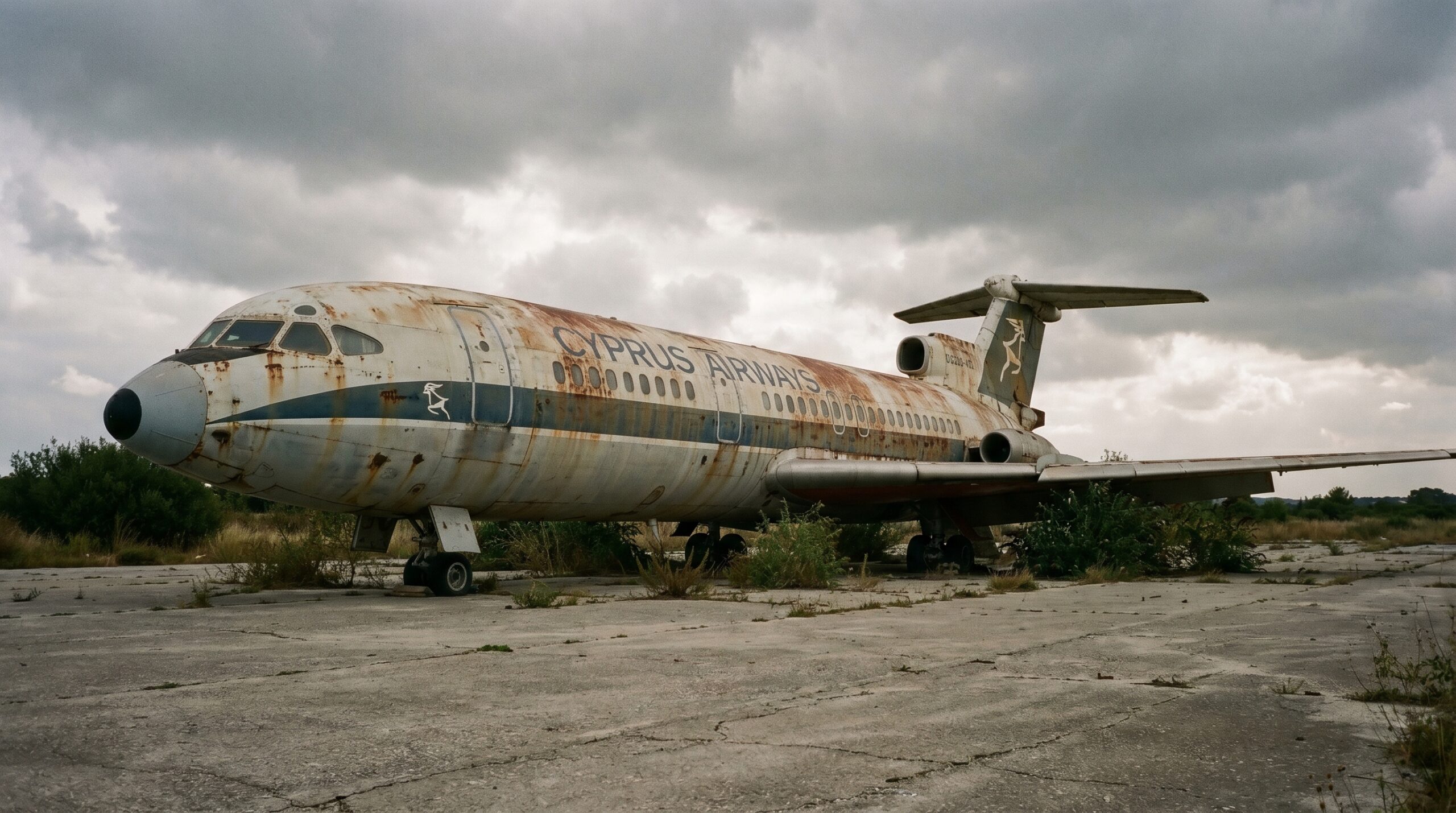
An entire commercial flight center sits completely dead. The United Nations guards this exact spot twenty-four hours a day. Nobody has boarded a flight here in five decades. A rotting passenger jet sits permanently parked on the cracked tarmac.
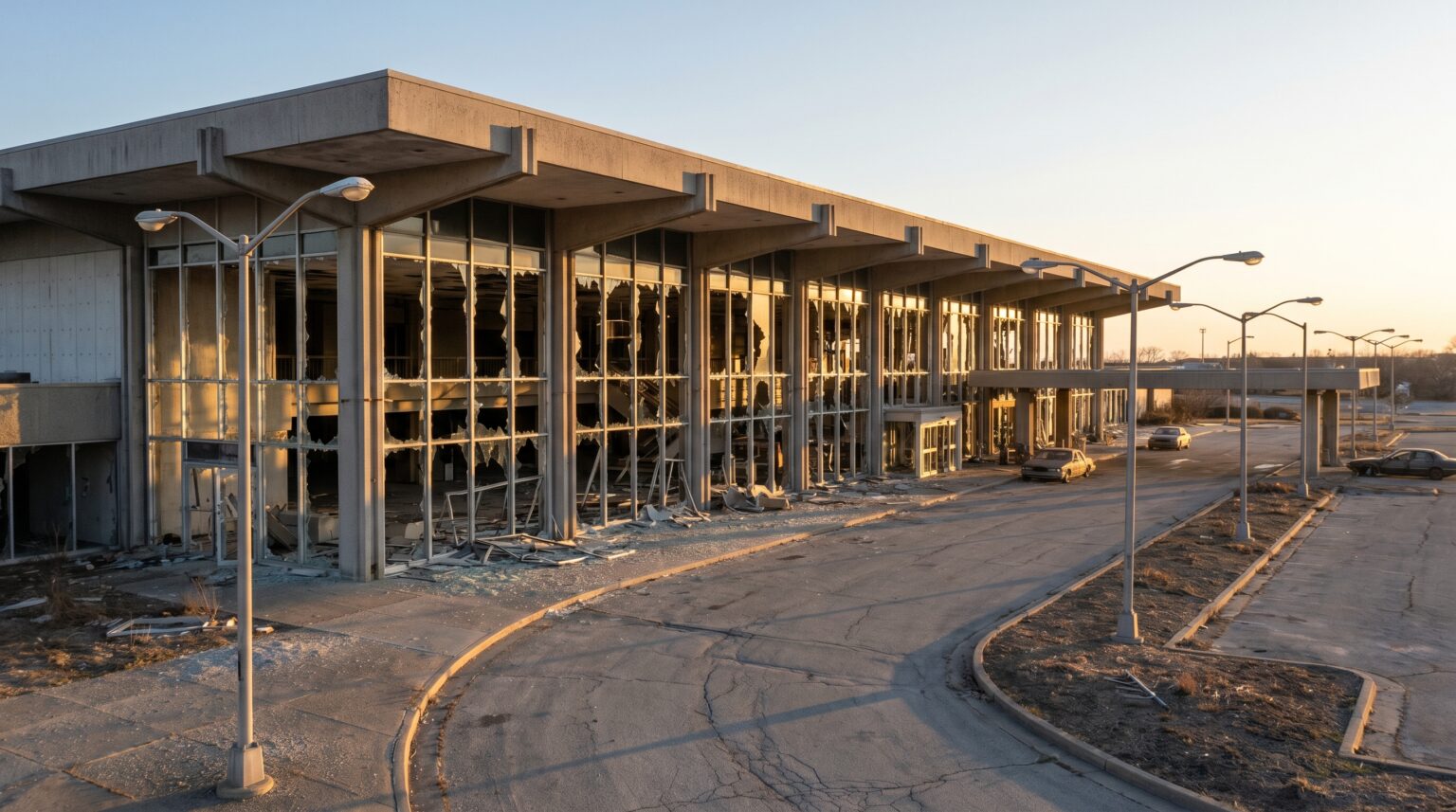
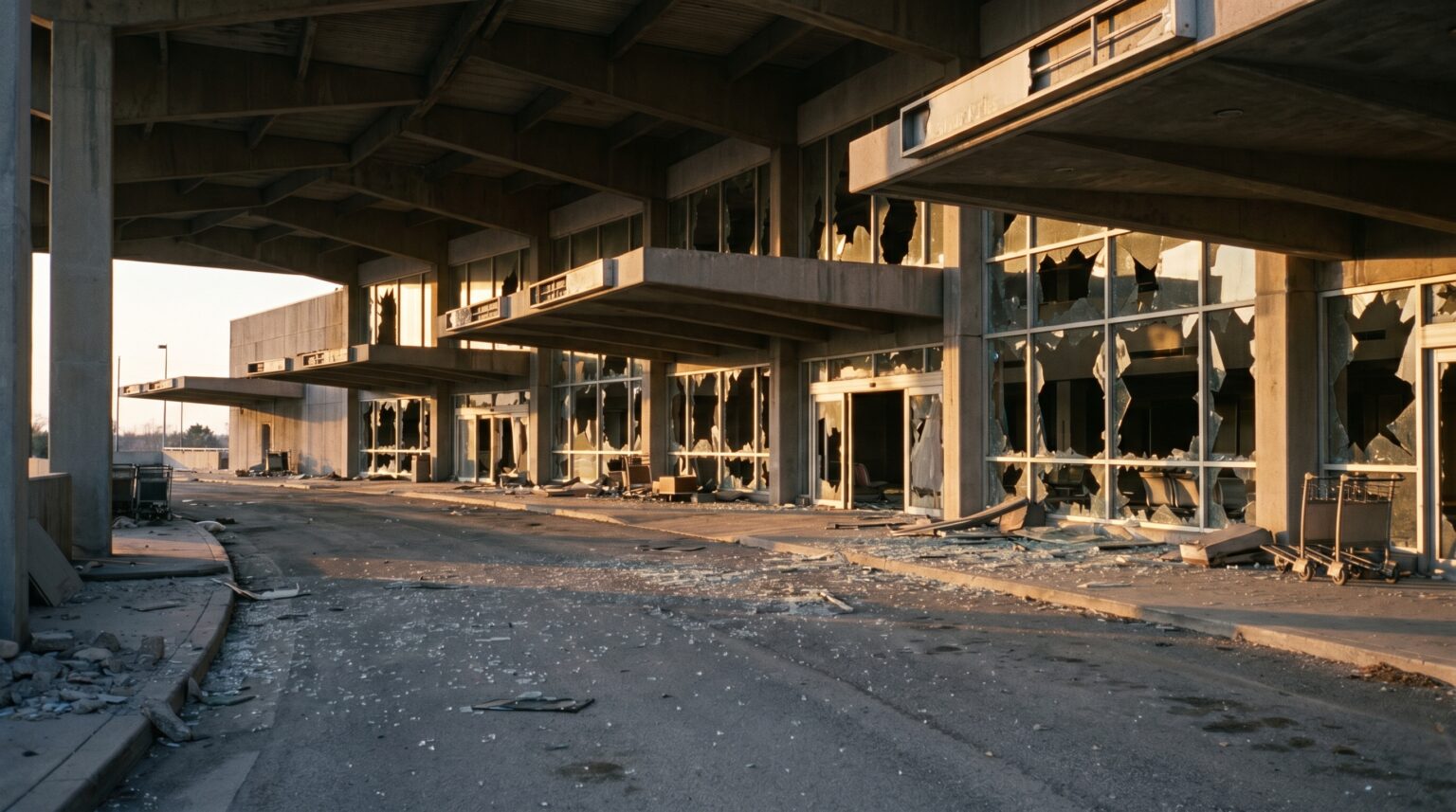
Listen to the wind howling through the shattered terminal windows. You hear only the flapping wings of pigeons echoing inside. Nature slowly swallows the grand modernist architecture whole. Step back into the summer of 1974 and feel the heavy silence.
The Birth of a Mediterranean Hub
Travel back to the glamorous late 1960s. The tiny island nation dreams of connecting Europe to the Middle East. They pour millions into a brand new passenger terminal. German architects design a stunning, high-tech modernist masterpiece.
Designing a Modernist Masterpiece
The architectural firm envisions pure elegance. They utilize clean lines and massive open spaces. The designers want natural sunlight to flood every single corner. Nicosia Airport quickly becomes a shining example of mid-century modern design.
Builders source premium materials from across the globe. They lay beautiful terrazzo floors throughout the massive concourse. Heavy steel pillars support the sweeping, aerodynamic roof structure. Every tiny detail projects an aura of extreme wealth and sophistication.
The Pride of the Island
Locals treat the facility like a national monument. Families often visit the terminal just to watch planes take off. They enjoy fancy dinners at the elevated restaurant overlooking the runway. The massive building represents a bright, unified future for the entire island.
International airlines fight fiercely for landing rights here. The strategic geographic location makes it a perfect refueling stop. Wide-body jets arrive daily from London, Paris, and Cairo. The air buzzes constantly with dozens of different foreign languages.
The Golden Age of Nicosia Airport
Walk through the bustling departure gates of 1973. Glamorous vacationers arrive seeking pristine Mediterranean beaches. Hollywood celebrities frequently step off planes into the warm island air. This place handles nearly eight hundred thousand passengers a year.
A Hub of Luxury and Speed
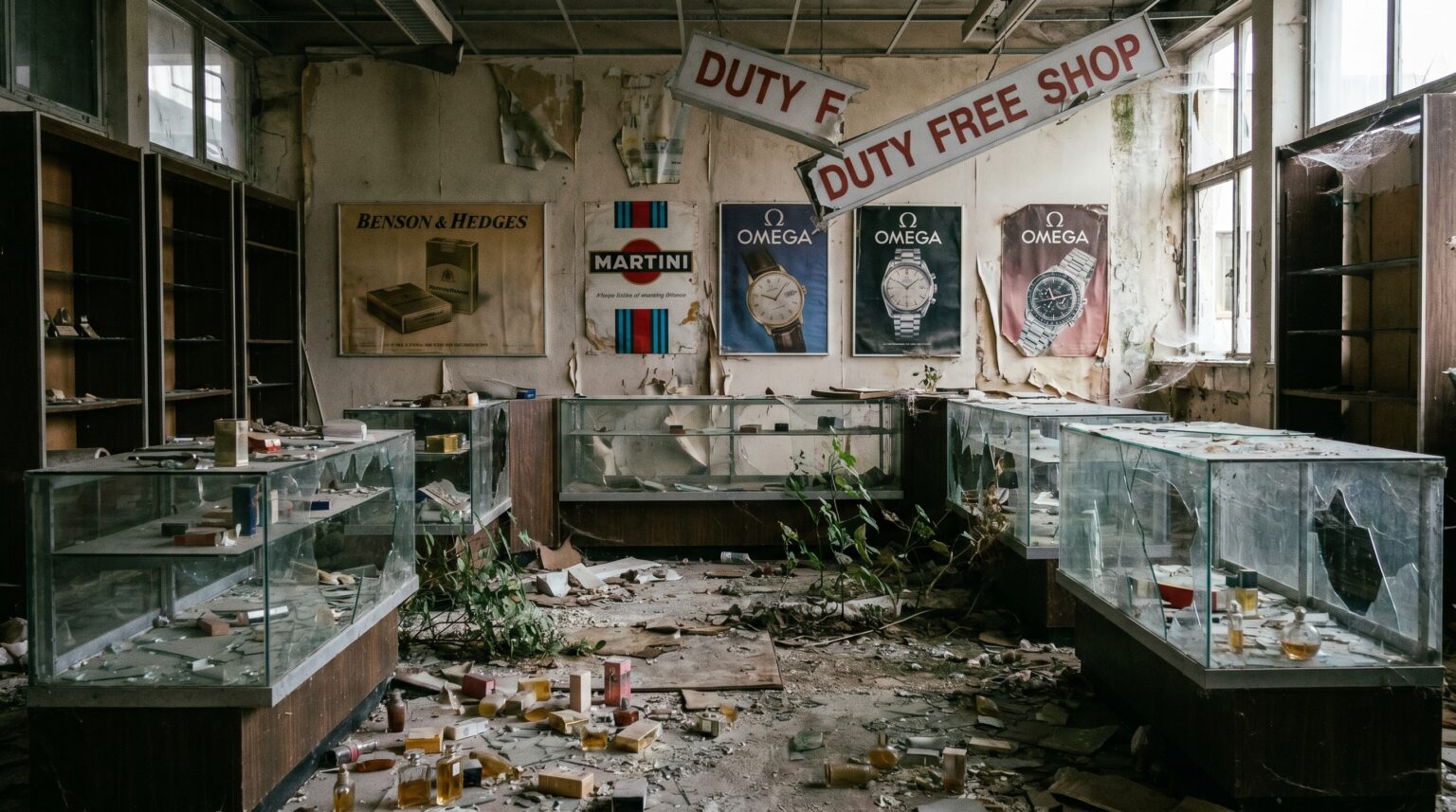
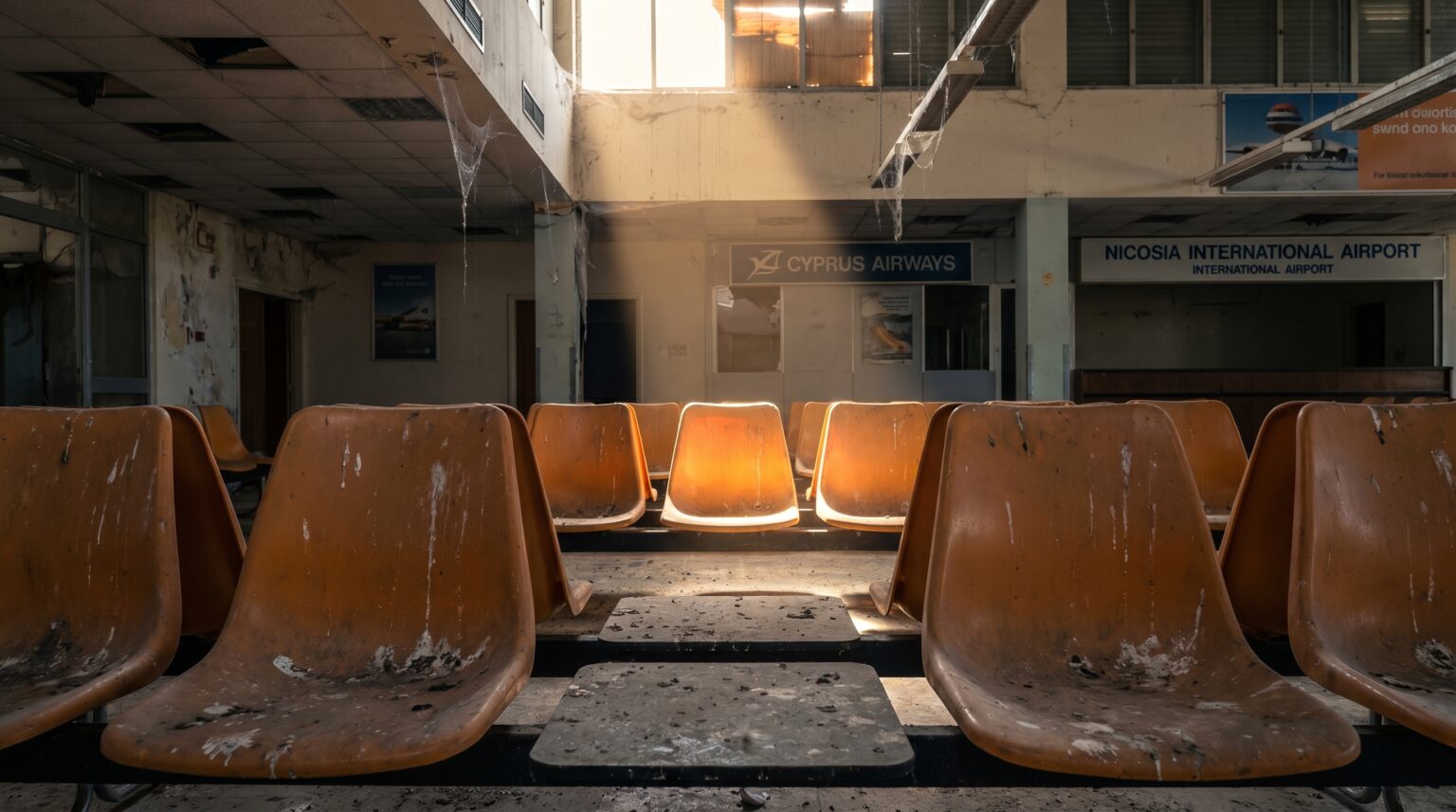
Imagine the smell of expensive French perfumes wafting through the duty-free zone. Businessmen in tailored suits read newspapers in the VIP lounges. Children press their faces against the glass, watching the massive jet engines spin. The terminal echoes with the smooth voices of the public address announcers.
A high-tech control tower oversees the busy runway. Air traffic controllers guide dozens of international flights safely to the ground. The facility perfectly symbolizes pure progress and international connection. Nobody expects the impending doom waiting just around the corner.
The Summer the Sky Caught Fire
Fast forward to the hot morning of July 1974. A sudden military coup shatters the island’s peace entirely. Intense violence erupts across the divided nation. Turkish military forces launch a massive invasion shortly after.
Bullets Shatter the Glass
The sky above Nicosia Airport darkens with military aircraft. Bombers target the commercial runway to stop enemy reinforcements. Explosions violently shake the beautiful modernist terminal building. The massive plate glass windows shatter into millions of sharp pieces.
Frightened passengers abandon their luggage right on the polished floor. Airline staff run desperately for their lives toward underground bunkers. Commercial pilots leave their passenger jets sitting right on the tarmac. The bustling international hub turns into a terrifying war zone overnight.
Soldiers exchange heavy gunfire across the runway. Mortar shells leave massive, smoking craters in the landing strip. The beautiful modernist roof suffers severe structural damage from the blasts. The luxurious terrazzo floors run red during the fierce ground battles.
Falling Into the United Nations Buffer Zone
The intense fighting eventually reaches a bitter standstill. The United Nations steps in to enforce a strict ceasefire. They draw a harsh demilitarized line straight across the entire island. This boundary becomes known as the famous Green Line.
The Green Line Ghost Town
Nicosia Airport falls directly inside this contested buffer zone. Neither side of the conflict gains control of the valuable facility. United Nations peacekeepers lock the heavy terminal doors tightly. They wrap the entire perimeter in endless coils of sharp barbed wire.
The vibrant civilian hub officially becomes a military outpost. Blue-helmeted soldiers set up camps near the old runway. They build observation towers to monitor the fragile peace agreement. The entire property goes completely dark.
No commercial flight ever lands here again. The United Nations completely seals the main access roads. They patrol the cracked tarmac in heavy white armored vehicles. The vibrant heart of the island stops beating entirely.
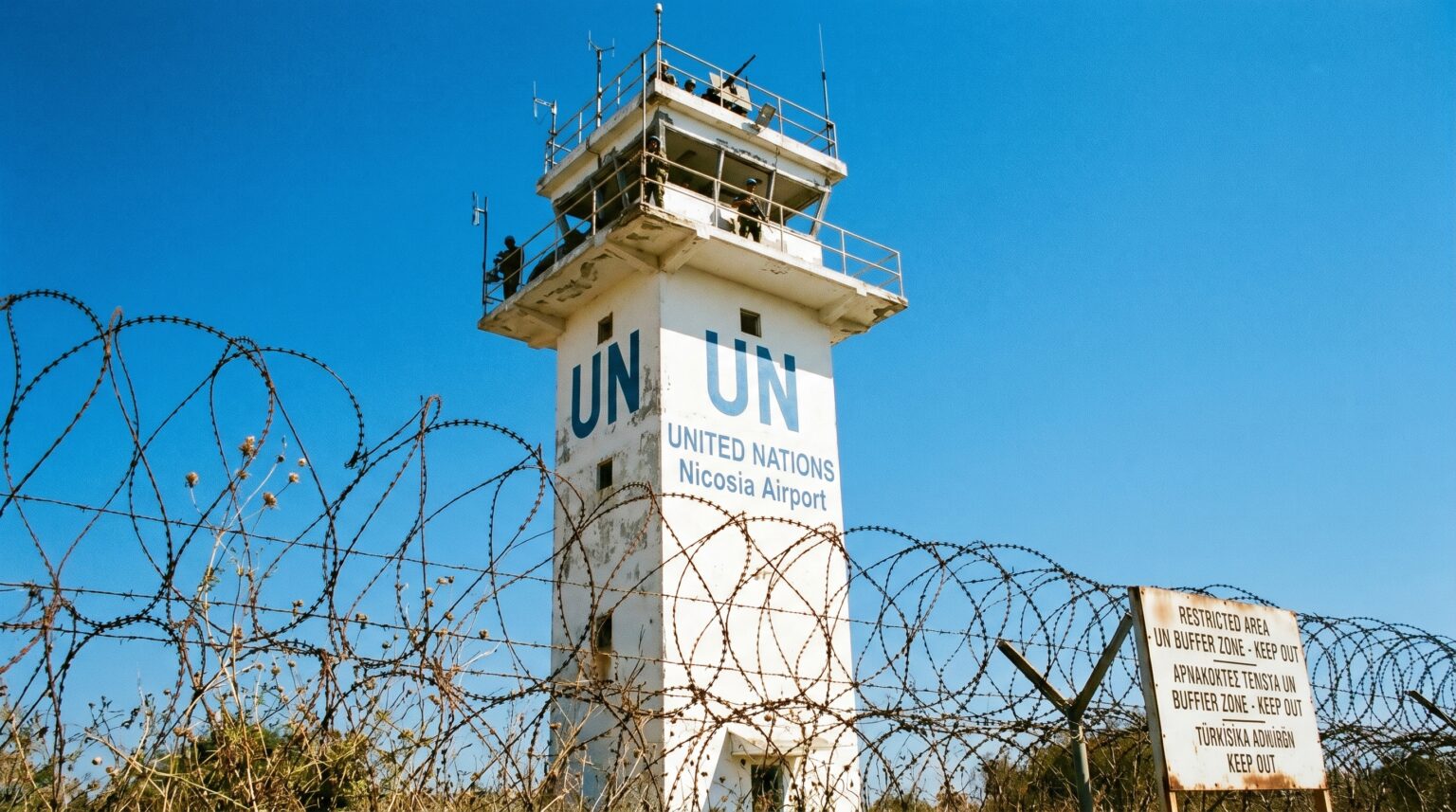
Rotting Jets at the Abandoned Nicosia Airport
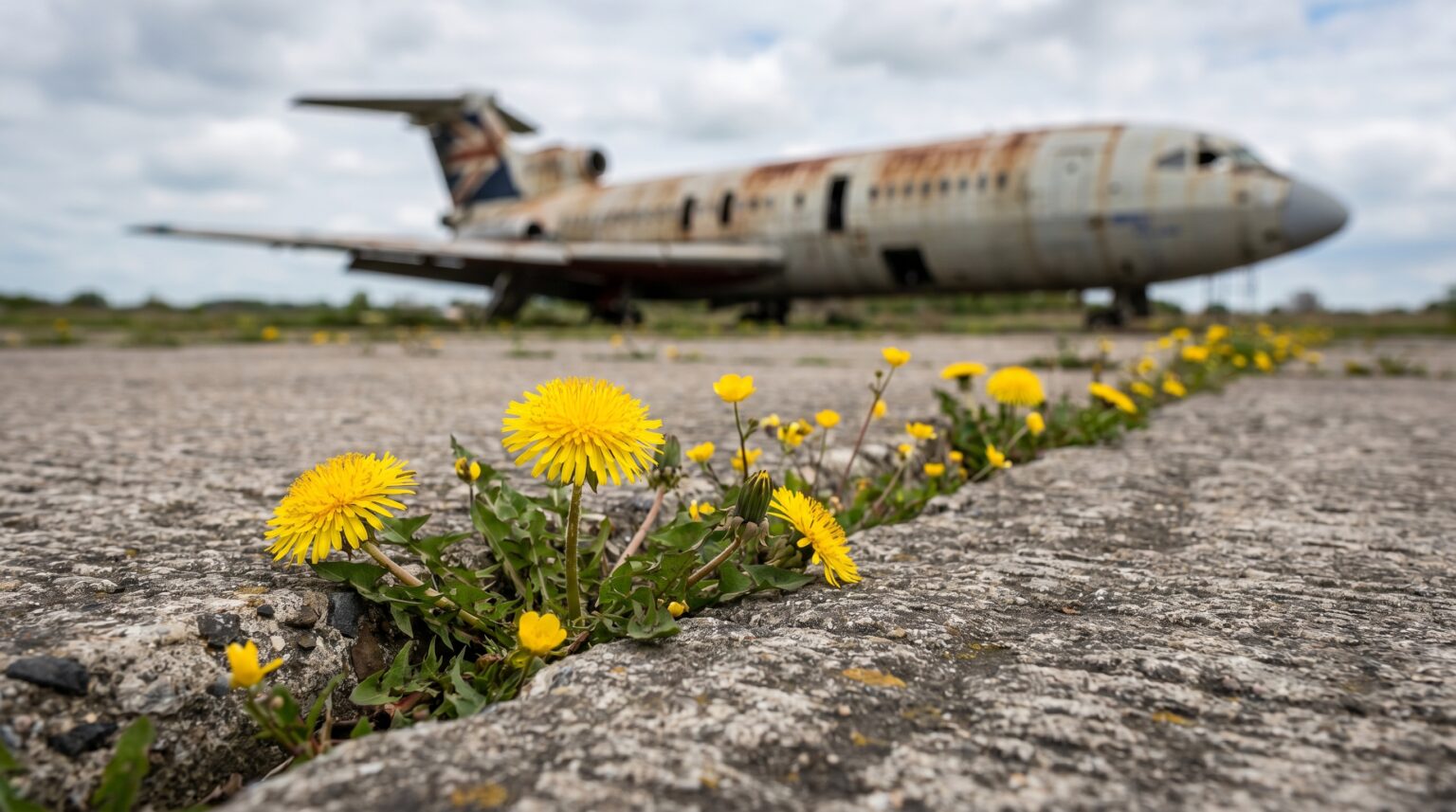
Look across the cracked concrete runway today. A solitary Hawker Siddeley Trident passenger jet rots in the bright sun. Cyprus Airways abandoned this exact plane during the chaotic 1974 evacuation. Rusted engines hang heavily from the decaying metal wings.
Inside the Time Capsule
Peer inside the shadowy terminal through the broken glass. A thick blanket of gray dust covers the entire check-in area. You see old advertisements still hanging on the stained walls. The 1974 calendars remain pinned behind the ruined ticketing desks.
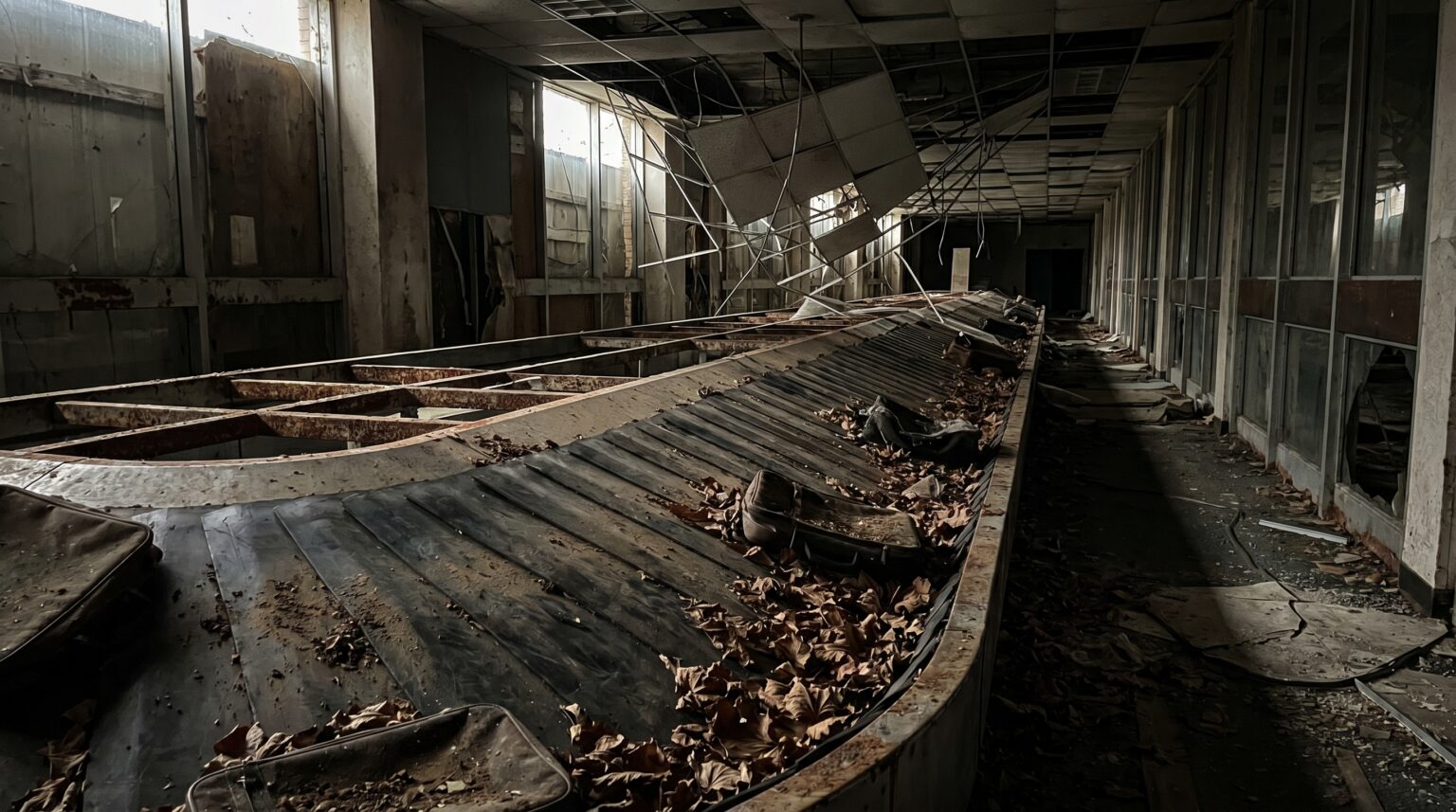
Bird droppings coat the once-glamorous waiting room chairs. The baggage carousel sits covered in rust and fallen ceiling tiles. Weeds push violently through the cracked floors inside the duty-free shops. The scene feels like a terrifying post-apocalyptic movie set.
Wild dogs roam freely across the empty parking lots. They seek shelter from the sun under the rusted luggage carts. You spot a forgotten shoe lying near the security checkpoint. These tiny personal artifacts make the massive ruin feel incredibly tragic.
Navigating the United Nations Buffer Zone
Getting close to this massive ruin requires absolute rule-following. Regular tourists cannot simply walk up to the terminal building. The United Nations strictly forbids unauthorized civilian entry into the buffer zone. Armed guards patrol the perimeter fences constantly.
You require special permission to cross into the restricted area. Only credentialed journalists and military researchers usually secure these rare entry permits. The application process takes months of rigorous background checks and interviews. The United Nations rejects almost all civilian requests immediately.
Imagine you secure the impossible press clearance. You arrive at the heavy metal gates early in the morning. An armed UN peacekeeper escorts you everywhere you go. You sign intense liability waivers before taking a single step.
Keep these strict logistical facts in mind:
- Entering without permission leads to immediate military arrest.
- Guards absolutely forbid photography of active UN military camps.
- The decaying concrete roof poses severe collapse risks.
- Warning signs mark potential unexploded landmines nearby.
- Summer temperatures on the tarmac exceed one hundred degrees Fahrenheit.
Dress appropriately for this harsh environment. You need thick, puncture-resistant hiking boots to navigate the broken glass. Wear long, durable pants to protect your legs from rusted metal. Bring a secure hard hat to wear inside the crumbling terminal.
Photographers face intense environmental challenges here. Carry a wide-angle lens to capture the vast, empty terminal spaces. Bring extra batteries because no power exists inside the ruins. Pack a heavy respirator mask to avoid breathing in the toxic bird droppings.
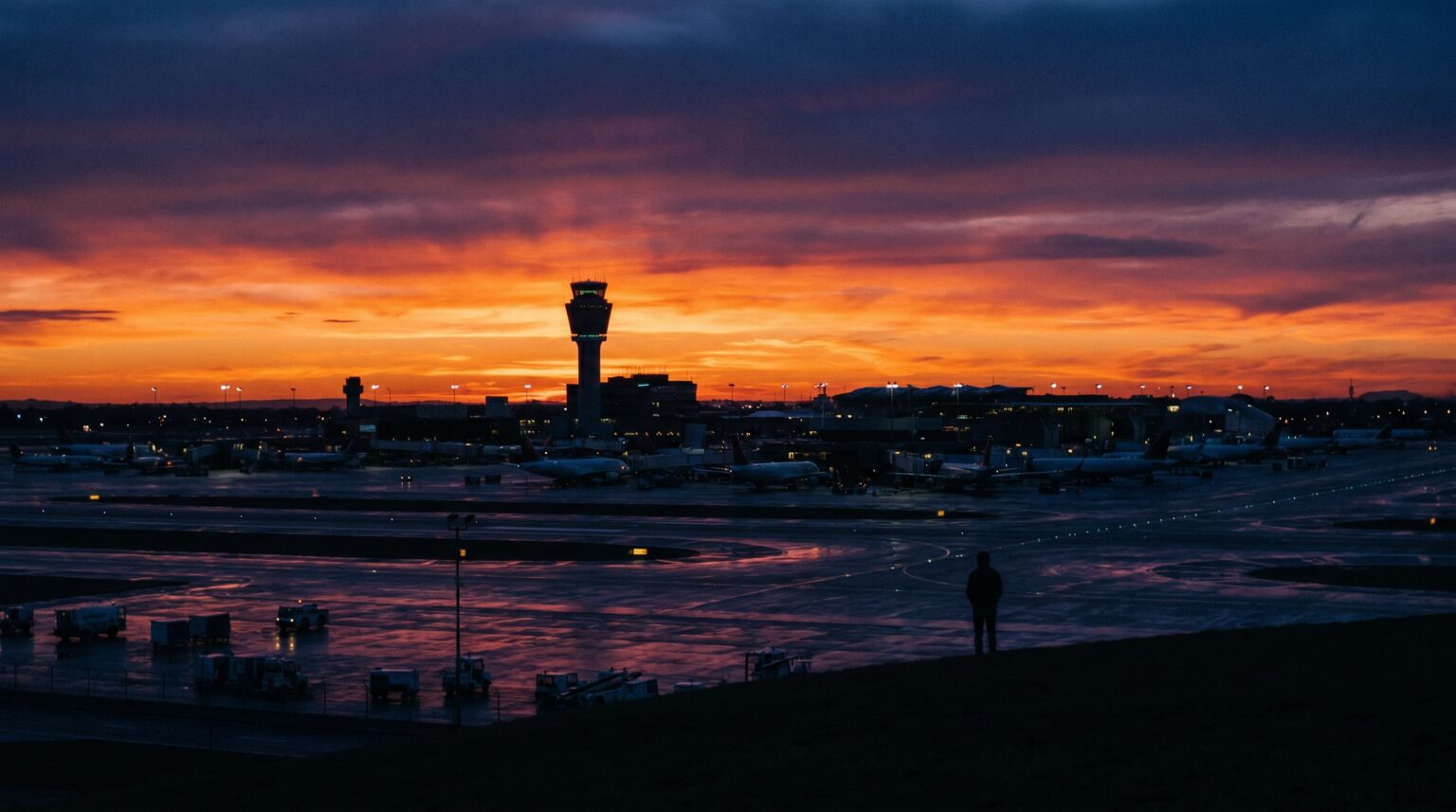
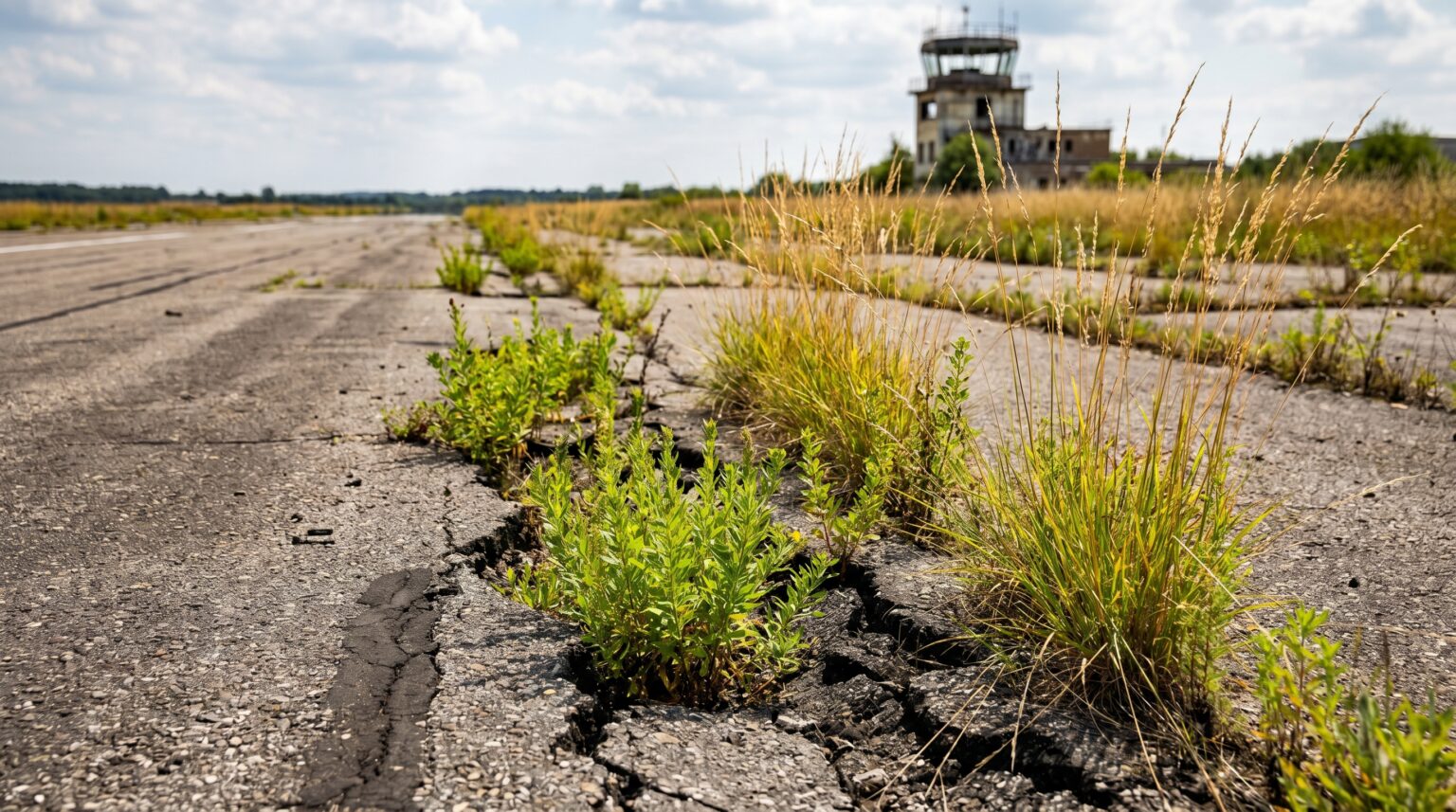
The Final Verdict on Nicosia International Airport (Cyprus)
You step away from the rusted fence with a heavy heart. The Mediterranean sun sets slowly behind the broken control tower. This massive aviation graveyard leaves a permanent chill in your bones. The silent terminal serves as a chilling monument to division.
Decades of peace talks yield absolutely no resolution. Nature continues tearing the modernist architecture apart piece by piece. The rusted passenger jet will eventually collapse into a pile of scrap metal. This frozen landscape warns us about the sudden, destructive nature of war.
Does this rotting aviation hub stand as a tragic victim of time, or does it serve as a powerful reminder of humanity’s deepest failures? Learn more about the complex history of the island at the United Nations Peacekeeping Force in Cyprus official page.
Bookmark and subscribe to Roasted Bum to get more updates on astonishing historical deep dives.